
Why Material Properties Should Drive Powder Mixer Selection
Selecting a powder mixer is often considered a matter of comparing production capacity, motor power, or purchase price. However, these specifications only describe the equipment itself—they do not determine whether the mixer will perform effectively with a specific product. The success of any powder mixing process begins with understanding the characteristics of the material. Different powders behave in different ways, and choosing equipment based on those behaviors is the key to achieving consistent quality, efficient production, and long-term operational reliability. Every powder has its own physical properties, including particle size, density, flowability, moisture content, and abrasiveness. These characteristics influence how particles move, interact, and blend during the mixing process. Two materials that appear almost identical may require completely different mixing solutions because they respond differently to mechanical agitation. Evaluating these properties before purchasing equipment helps manufacturers avoid costly production issues and ensures the selected mixer is suitable for the intended application.
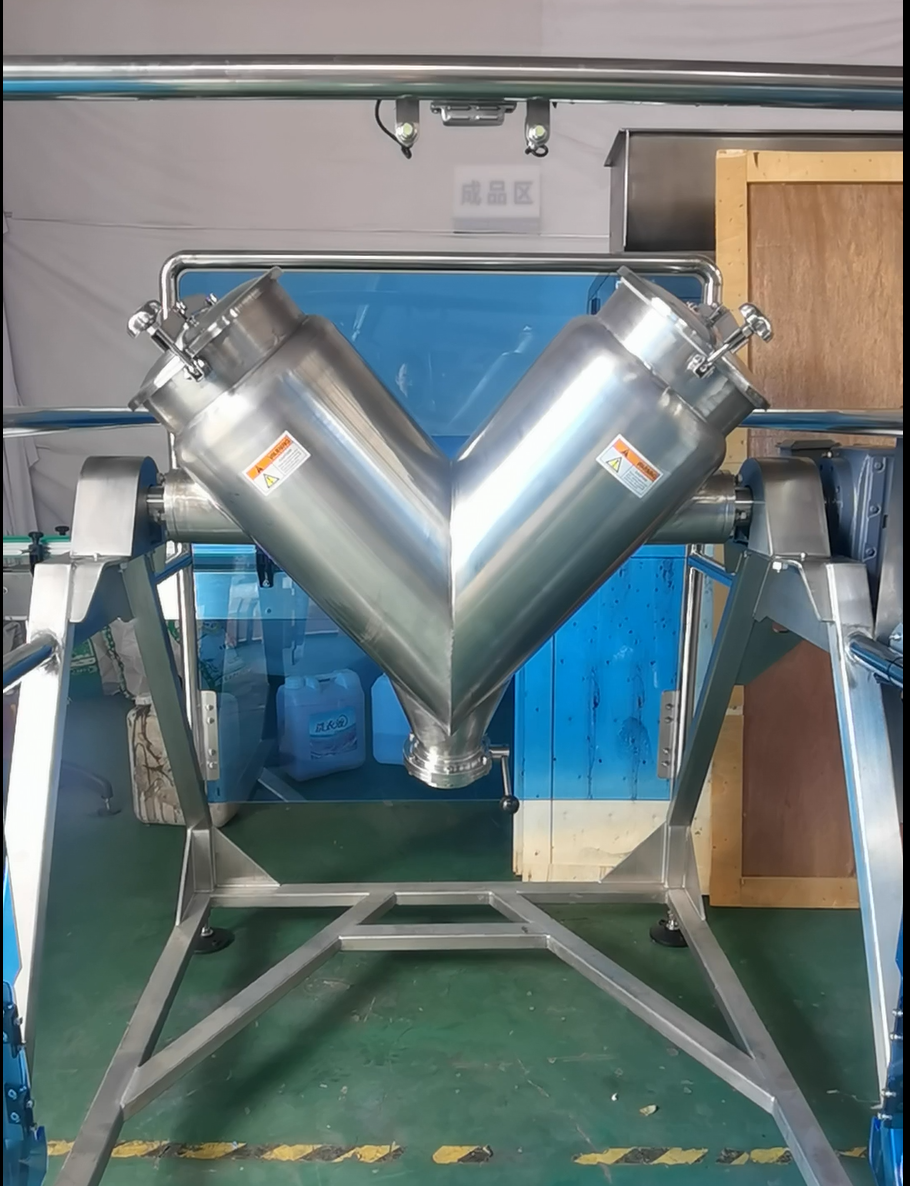
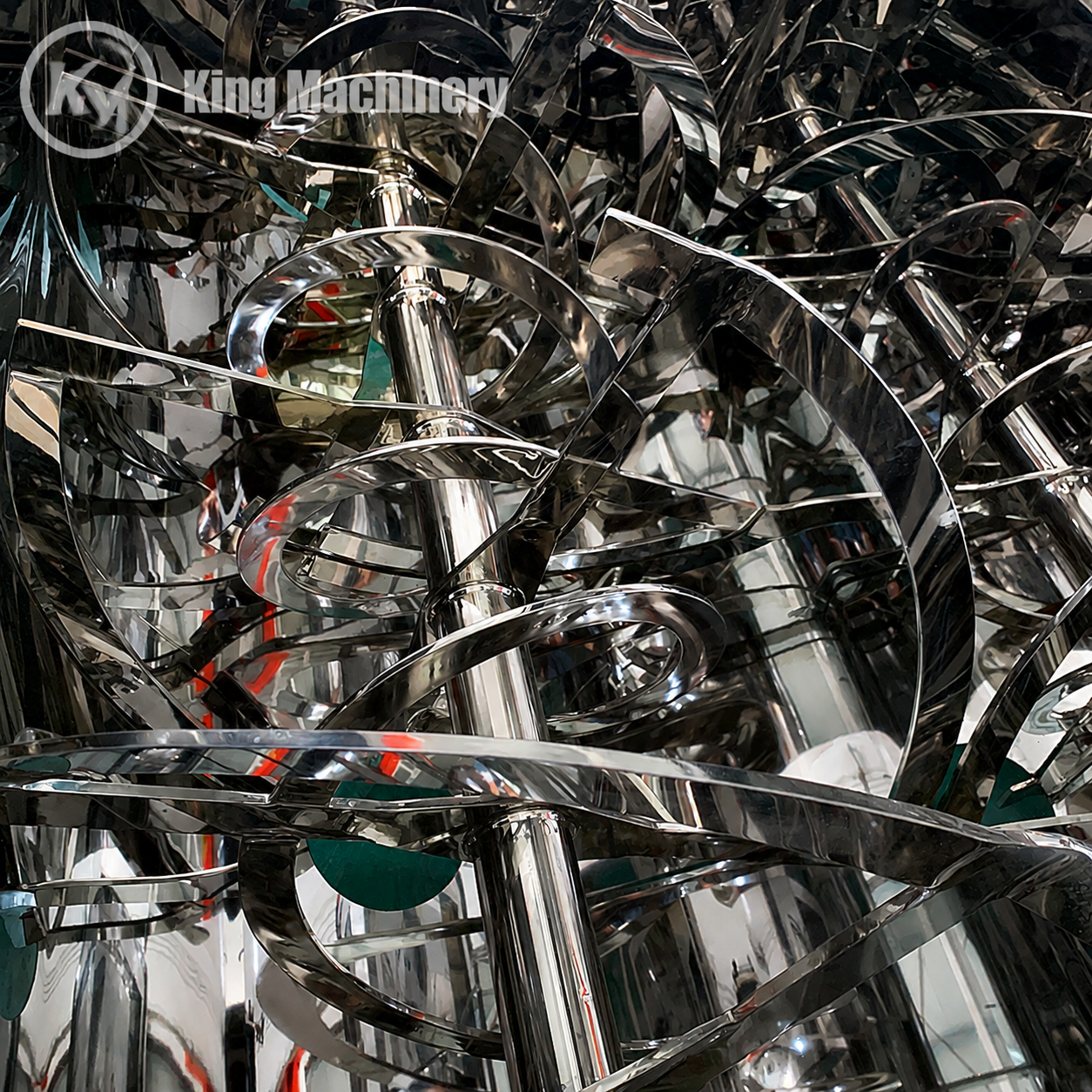
Particle size distribution is one of the first factors engineers examine. Fine powders have a larger surface area and are more likely to generate dust, absorb moisture, or form agglomerates. Coarser granules generally flow more easily but may separate from smaller particles during mixing or transportation. When materials with different particle sizes are processed together, segregation becomes a common challenge. A properly designed mixer promotes continuous circulation throughout the vessel, helping maintain a uniform blend instead of allowing particles to separate. Bulk density is equally important because it affects how materials move inside the mixing chamber. Lightweight powders tend to remain suspended during mixing, while heavier ingredients naturally settle. If the mixer cannot continuously redistribute these materials, the finished product may contain inconsistent ingredient concentrations. Rather than increasing mixing speed or extending mixing time, selecting equipment with an optimized mixing pattern often produces better results while reducing energy consumption and mechanical stress.
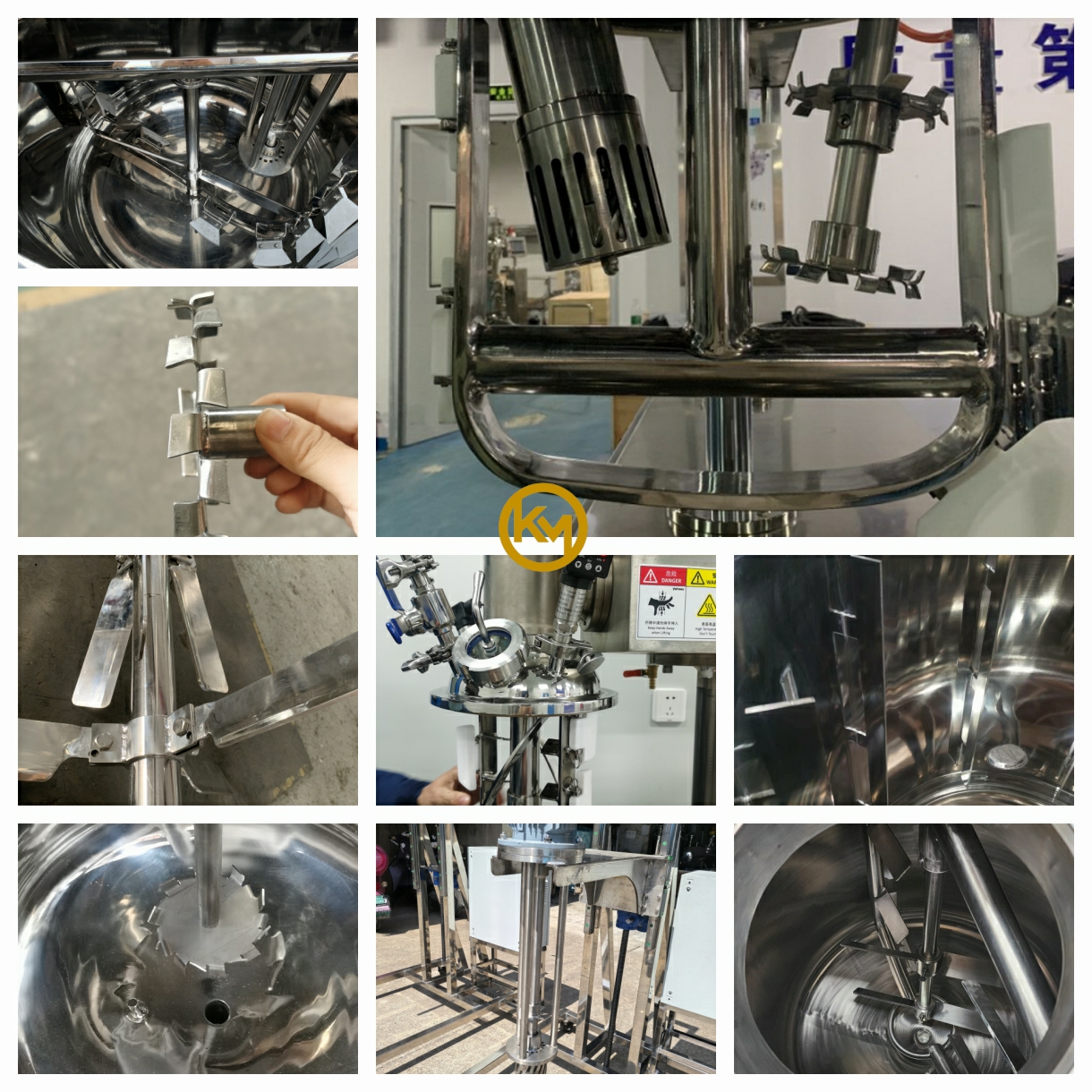
Flowability is another property that directly influences equipment performance. Free-flowing powders travel smoothly through feeding systems, mixers, and discharge ports, while cohesive or sticky materials may bridge, compact, or cling to internal surfaces. Poor flow characteristics can reduce production efficiency, increase cleaning time, and leave product residue inside the equipment. Selecting a mixer with an appropriate agitator design, smooth internal surfaces, and efficient discharge configuration helps maintain stable production and minimizes material loss. Moisture content also changes the behavior of industrial powders. Even a slight increase in humidity can cause powders to clump together, reducing mixing efficiency and making discharge more difficult. Moist materials are also more likely to adhere to vessel walls and mixing blades, increasing cleaning requirements between production batches. For these applications, hygienic stainless steel construction, polished internal surfaces, and well-designed vessel geometry become valuable features that improve both productivity and product quality.
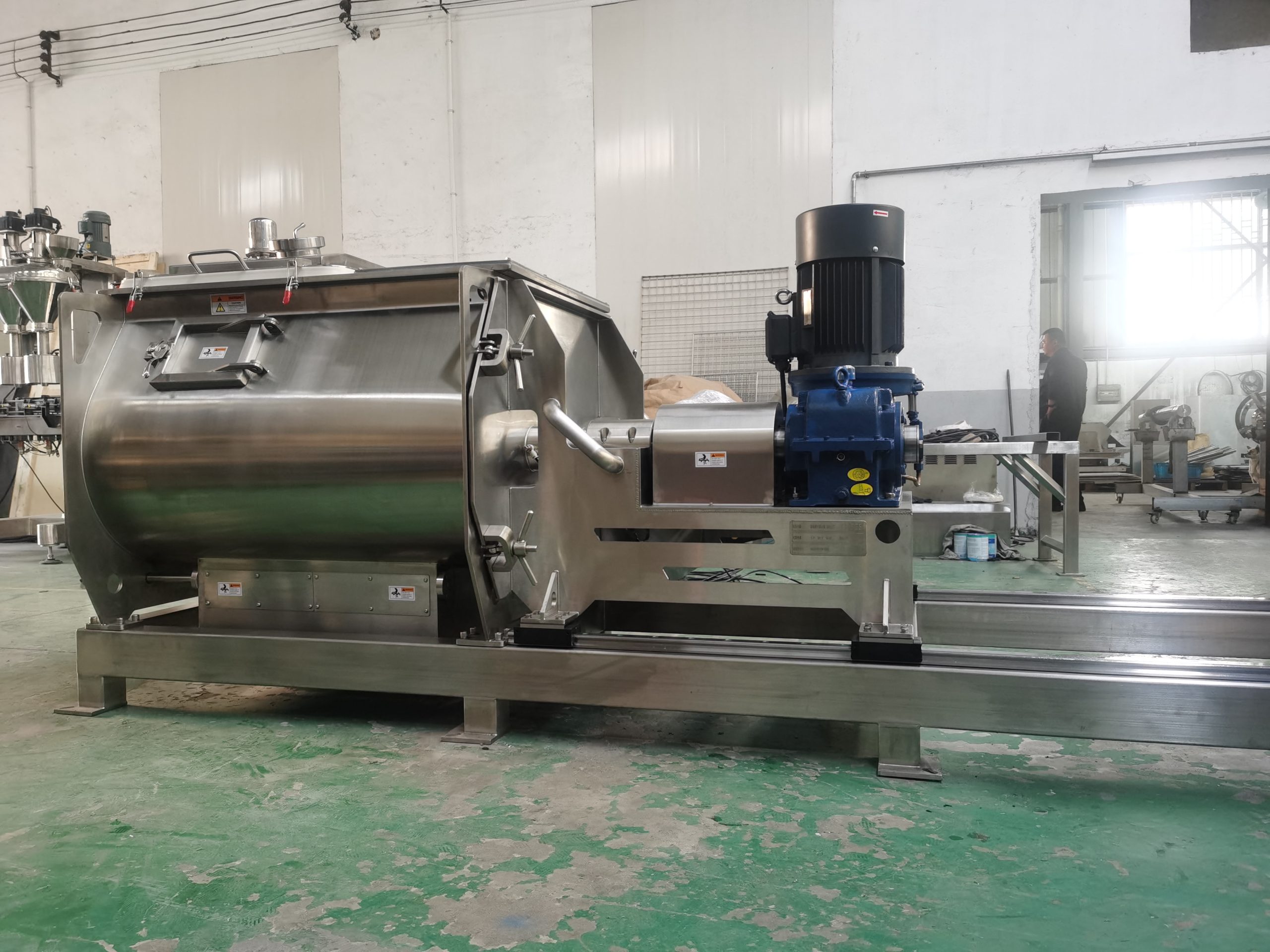
Some materials are highly abrasive, causing continuous wear on mixing blades, shafts, and internal vessel surfaces. Powders used in battery manufacturing, ceramics, metallurgy, and certain chemical processes can gradually shorten equipment service life if unsuitable construction materials are used. This is why selecting the right metal is just as important as selecting the right mixer. Materials such as SS316, duplex SS2205, titanium, and Hastelloy provide enhanced resistance to corrosion and wear, allowing equipment to perform reliably under demanding operating conditions. Not every product benefits from aggressive mixing. Pharmaceutical powders, nutritional ingredients, specialty chemicals, and coated granules often require gentle handling to preserve particle integrity. Excessive mechanical force may damage particles, alter product performance, or generate unwanted dust. In these situations, selecting a mixing technology that balances blending efficiency with product protection is more effective than simply choosing the highest-powered machine available.
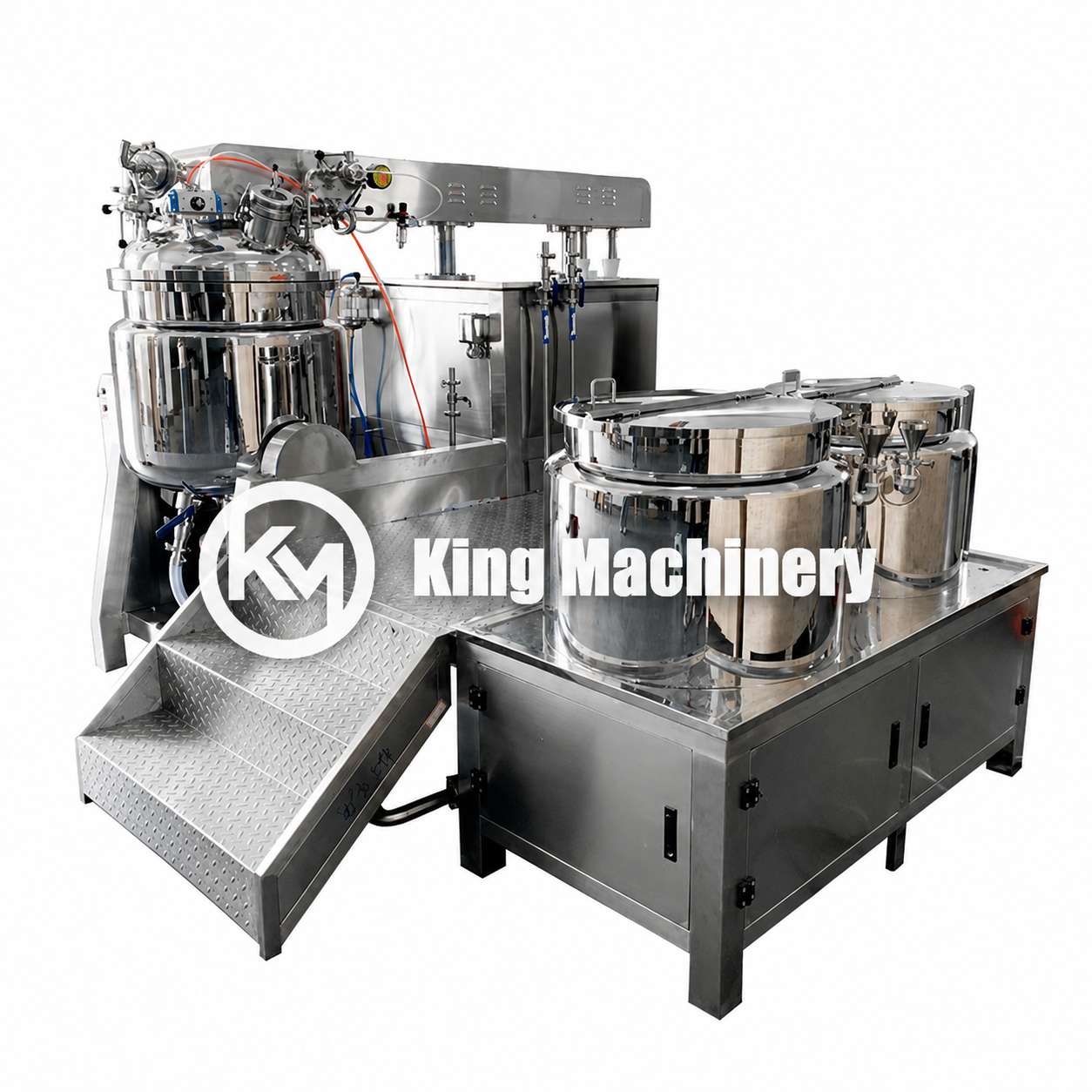
Hygiene requirements should also influence mixer selection, particularly in industries such as food processing, pharmaceuticals, cosmetics, and biotechnology. Equipment with smooth welds, polished stainless steel surfaces, and minimal dead zones is easier to clean and less likely to retain product residue between batches. A hygienic design not only improves operational efficiency but also helps manufacturers maintain consistent product quality and comply with industry standards. Production objectives extend beyond the properties of the powder itself. Batch size, production frequency, automation level, and future expansion plans all affect the ideal mixer configuration. Equipment that performs well in laboratory testing may require structural modifications before being used in large-scale manufacturing. Considering future production needs during equipment selection helps manufacturers avoid unnecessary upgrades and supports long-term operational growth.
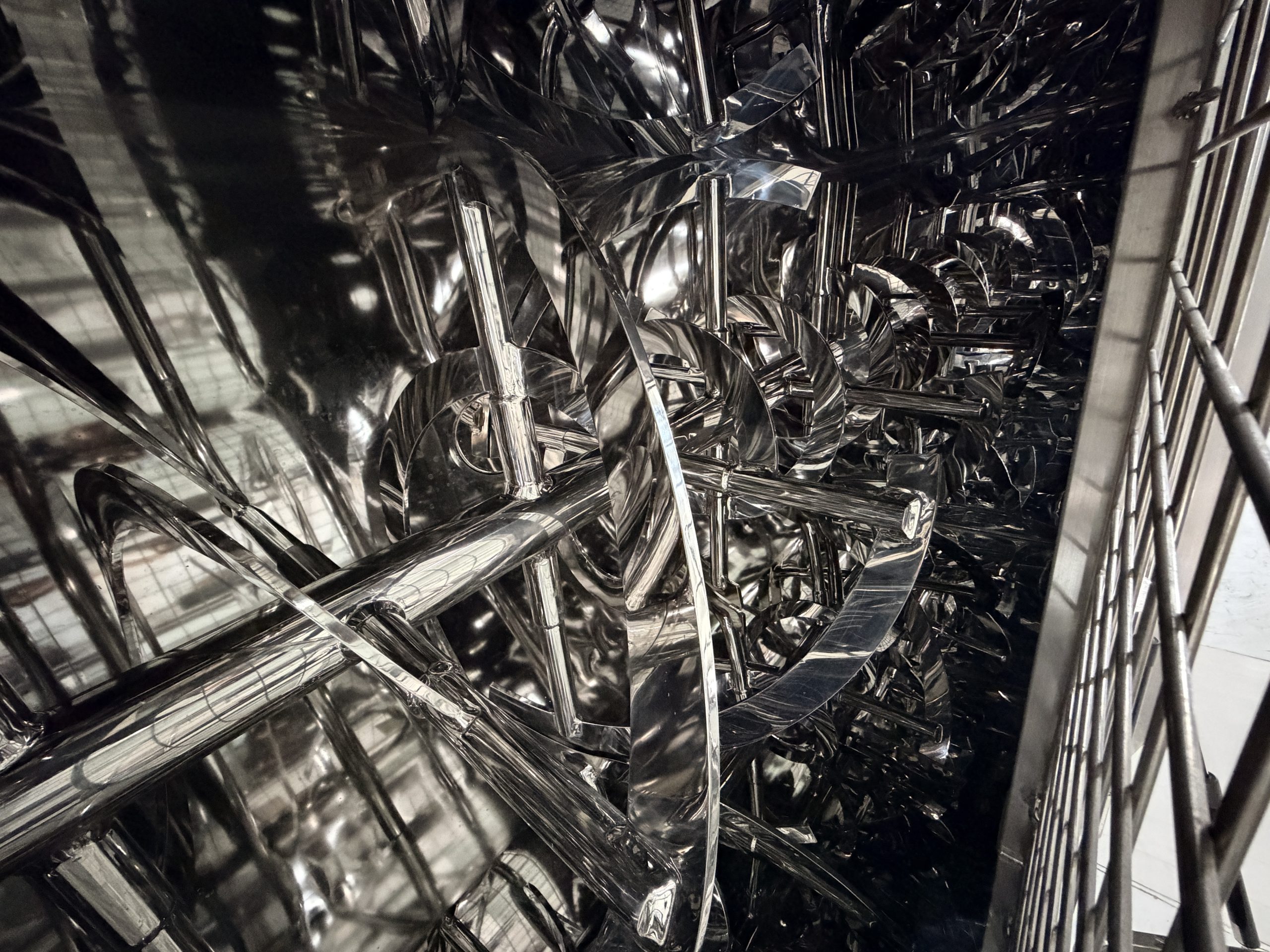
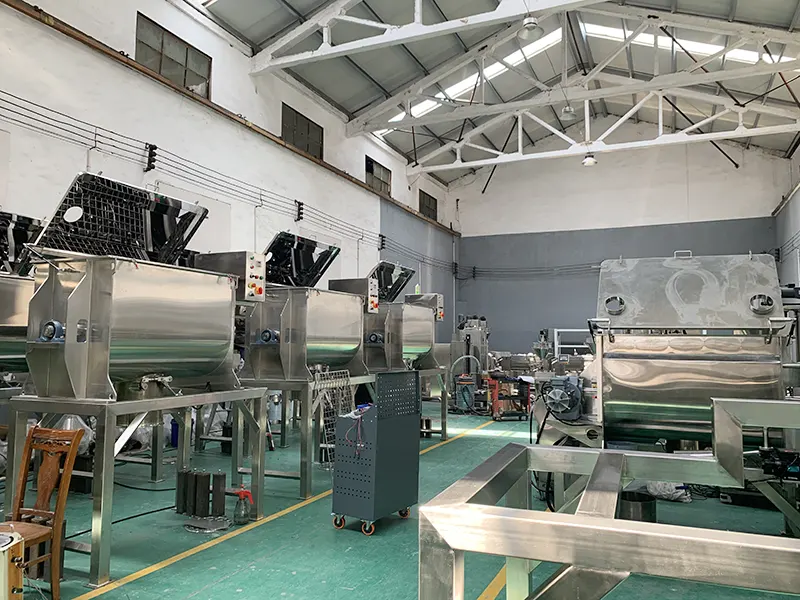
In many cases, a customized powder mixer provides greater value than a standard machine. Adjustments to vessel dimensions, agitator design, discharge systems, material selection, or surface finish allow the equipment to match the specific behavior of the processed material. This customized approach improves mixing uniformity, reduces maintenance, enhances cleaning efficiency, and increases overall production stability. For manufacturers processing unique or high-value materials, customized equipment often delivers a stronger return on investment throughout its service life. Ultimately, powder mixer selection should always begin with the material rather than the machine. Understanding particle size, bulk density, flowability, moisture content, abrasiveness, hygiene requirements, and production objectives enables manufacturers to choose equipment that delivers consistent performance and reliable results. Companies with expertise in custom stainless steel fabrication and integrated powder processing solutions can design equipment around the characteristics of the material, helping customers achieve higher efficiency, better product quality, and more sustainable manufacturing operations.