
Why Two Liquid Products with Similar Viscosity May Need Different Agitator Designs
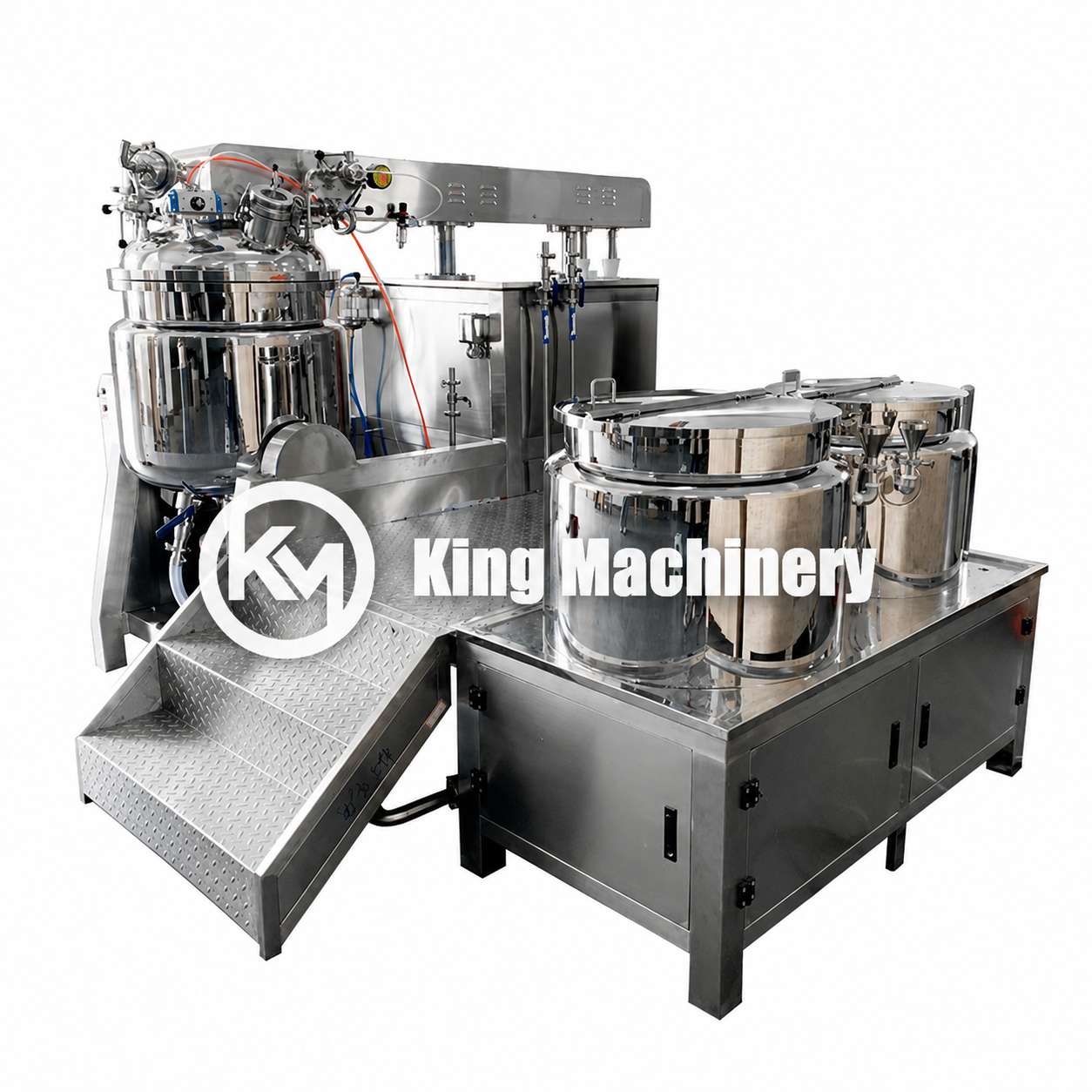
When selecting an agitator tank, viscosity is often the first specification manufacturers provide. While viscosity is an important factor in mixer selection, it is far from the only one. Two liquid products with nearly identical viscosity can behave very differently during mixing because of differences in composition, density, solids content, shear sensitivity, or processing objectives. Relying on viscosity alone may result in inefficient mixing, inconsistent product quality, or unnecessary energy consumption. Understanding the complete characteristics of the liquid is essential for choosing the right agitator design. Viscosity measures a liquid's resistance to flow, but it does not describe how the liquid responds to mechanical agitation. For example, two liquids with the same viscosity may have completely different internal structures. One may behave like a simple solution that flows consistently, while the other may contain suspended particles, emulsions, or polymers that react differently when mixed. These differences influence how the liquid circulates inside the tank and how much mixing energy is required.
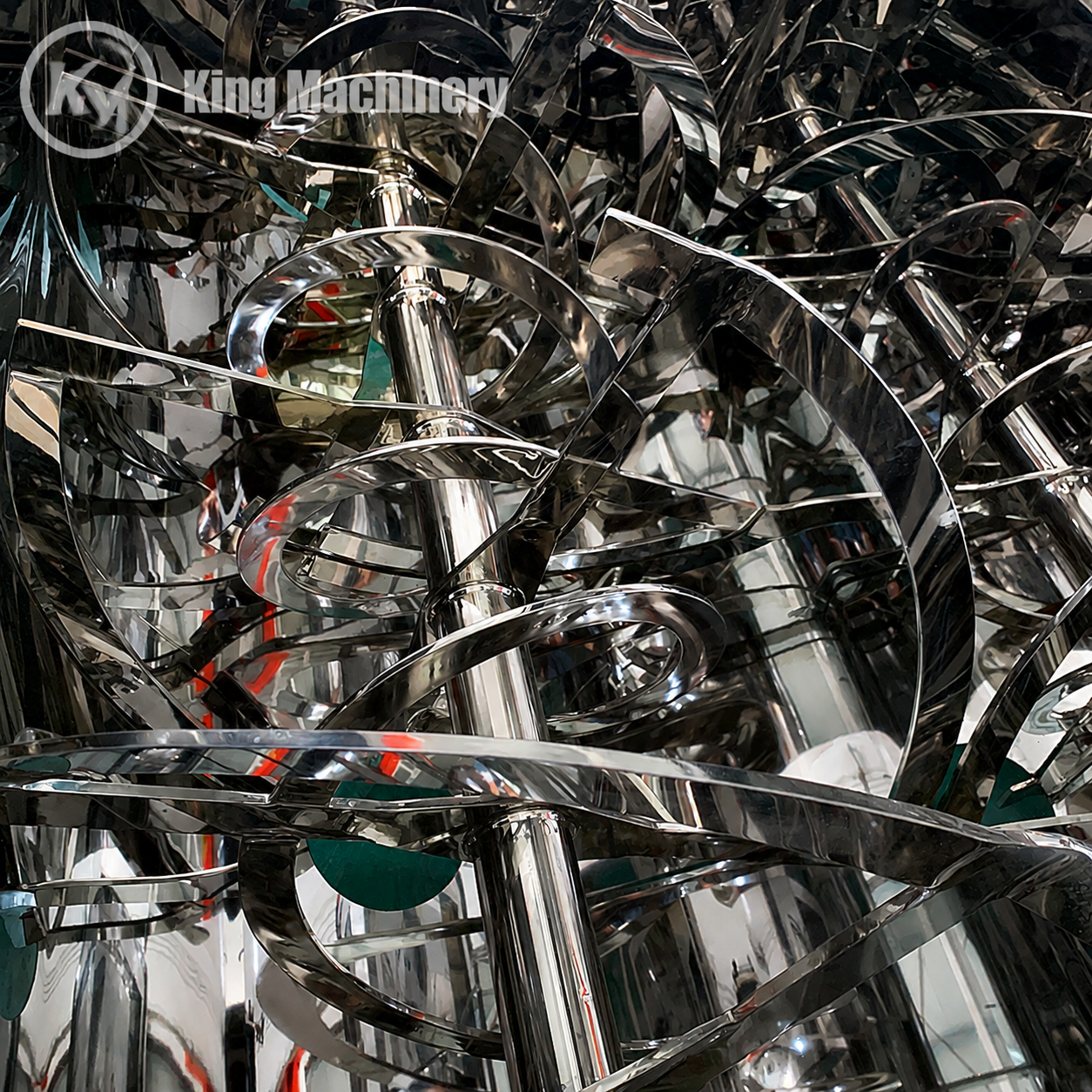
Density is one factor that can significantly affect agitator performance. Two liquids with equal viscosity but different densities require different flow patterns to achieve uniform mixing. A heavier liquid generally requires greater circulation to maintain movement throughout the tank, while a lighter liquid may mix effectively with less power. Engineers often evaluate both density and viscosity together when selecting impeller size, rotation speed, and motor capacity. The presence of solid particles introduces another important consideration. Some liquid products contain powders, crystals, pigments, or other suspended materials that must remain evenly distributed during processing. Even when viscosity remains unchanged, the concentration, particle size, and settling characteristics of these solids influence the required mixing action. Applications involving suspension often require impellers specifically designed to generate strong axial flow and prevent sedimentation at the bottom of the tank.
Shear sensitivity is another characteristic that viscosity alone cannot describe. Some liquids tolerate vigorous mixing without affecting product quality, while others can be damaged by excessive mechanical force. Pharmaceutical formulations, cosmetic creams, food products, and specialty chemicals may lose stability, separate, or change texture if exposed to high shear. In these cases, selecting an agitator that provides gentle circulation is more important than simply increasing mixing intensity. The purpose of the mixing process also affects agitator selection. Some applications require simple blending of two compatible liquids, while others involve dissolving powders, dispersing additives, suspending particles, or promoting chemical reactions. Although the liquids may have similar viscosity, each process requires a different flow pattern. Choosing an agitator based on the process objective rather than viscosity alone leads to better mixing performance and more consistent production results.
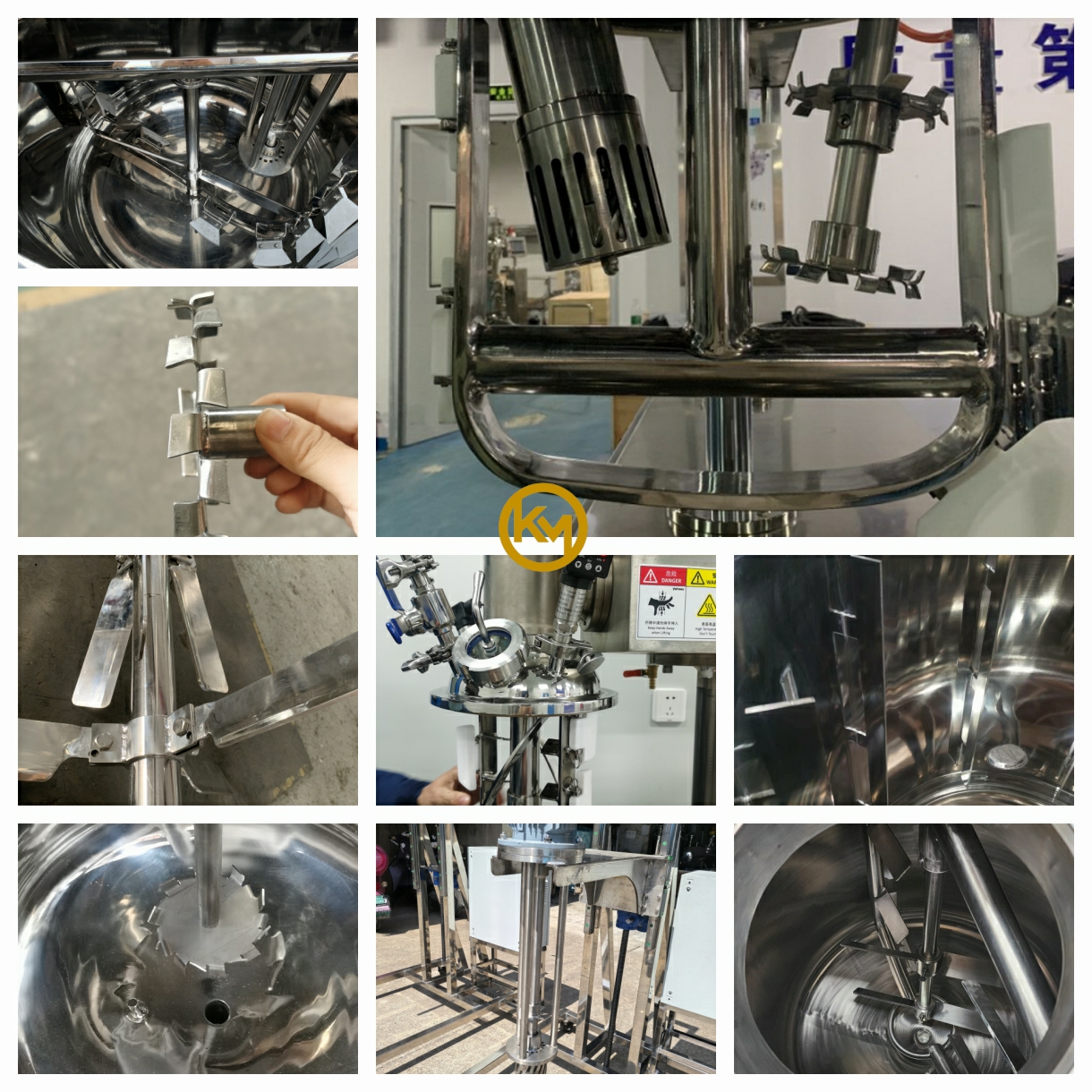
Tank dimensions also influence the effectiveness of an agitator. Two factories producing the same liquid formulation may require different agitator designs because their tanks have different diameters, heights, or working volumes. A tall, narrow vessel creates different circulation characteristics than a wide, shallow tank. Impeller diameter, shaft length, and installation height must therefore be matched to the geometry of the mixing vessel. Temperature can also change the behavior of liquid products during processing. Some materials maintain stable viscosity throughout production, while others become significantly thinner or thicker as temperature changes. Heating and cooling cycles may alter flow characteristics enough to require different agitator configurations. For jacketed mixing tanks, engineers must consider both thermal performance and mixing efficiency when designing the system.
Foaming is another factor that cannot be predicted by viscosity alone. Certain detergents, surfactants, beverages, and chemical solutions easily trap air during agitation, creating excessive foam that affects production efficiency and product quality. Even if two liquids share the same viscosity, one may require a low-shear impeller and slower operating speed to minimize air entrainment, while the other can be mixed more aggressively without issue. Corrosion resistance should also be considered when selecting an agitator system. Two liquids with identical viscosity may have completely different chemical compositions. One product may be compatible with standard stainless steel, while another may require SS316L, duplex SS2507, titanium, or Hastelloy to resist corrosion during long-term operation. Material selection is therefore an important part of the overall agitator design process.
Because so many variables influence mixing performance, experienced manufacturers often recommend laboratory or pilot-scale mixing trials before finalizing equipment specifications. Testing allows engineers to observe actual flow behavior, evaluate different impeller configurations, and determine the most effective operating conditions. This approach reduces design risks and helps ensure that the finished equipment performs as expected under real production conditions. Ultimately, viscosity is only one piece of the puzzle when designing an industrial agitator tank. Factors such as density, solids content, shear sensitivity, process objectives, tank geometry, operating temperature, foaming characteristics, and material compatibility all contribute to successful mixing. By evaluating the complete process rather than relying on a single property, manufacturers can select an agitator design that delivers higher efficiency, better product consistency, and long-term operational reliability.