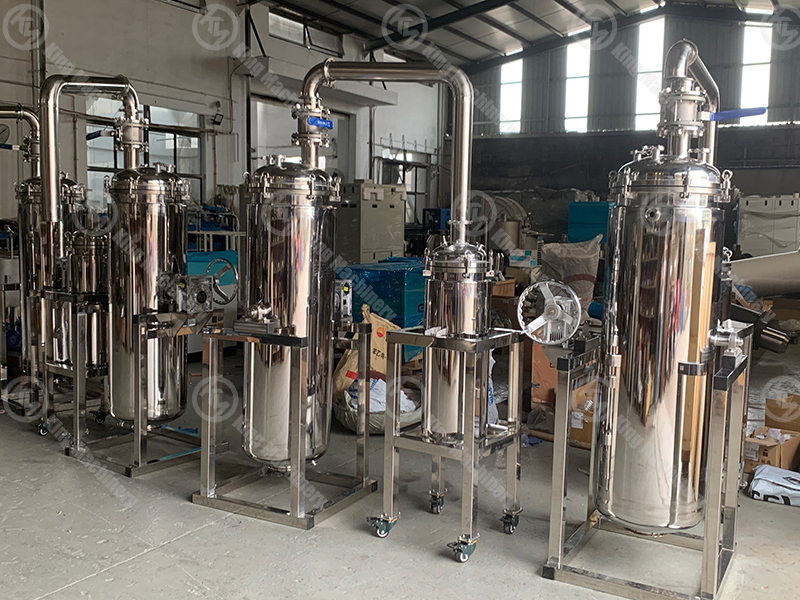
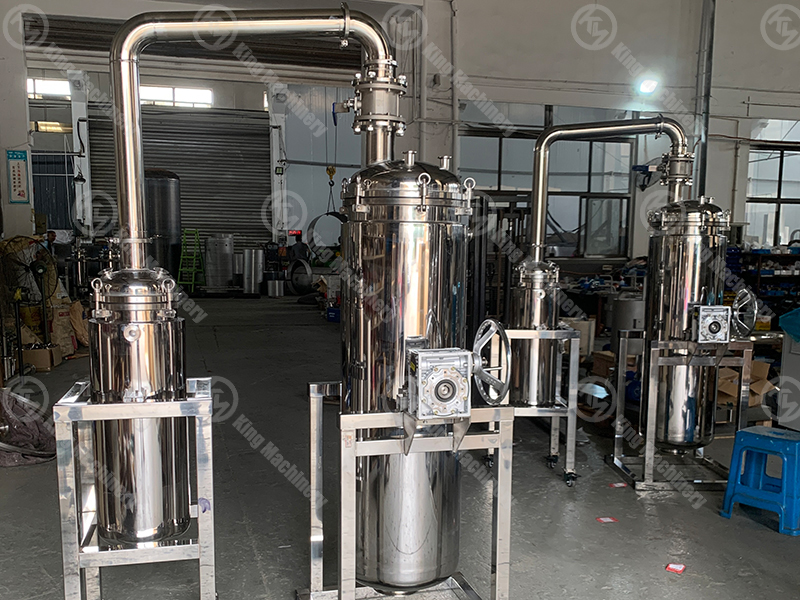
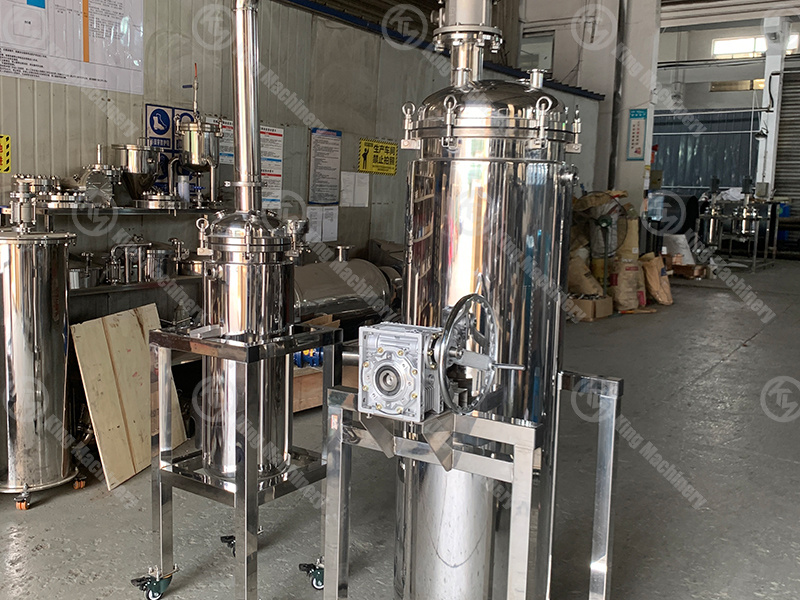
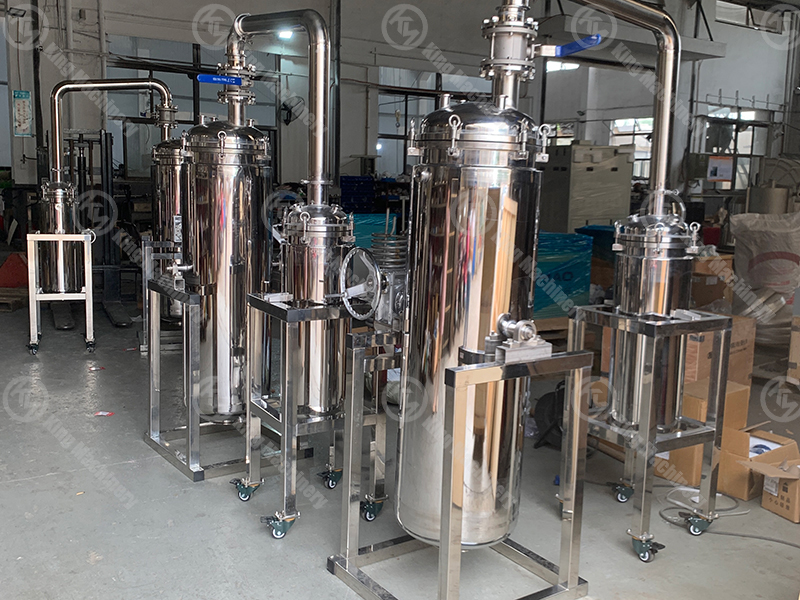
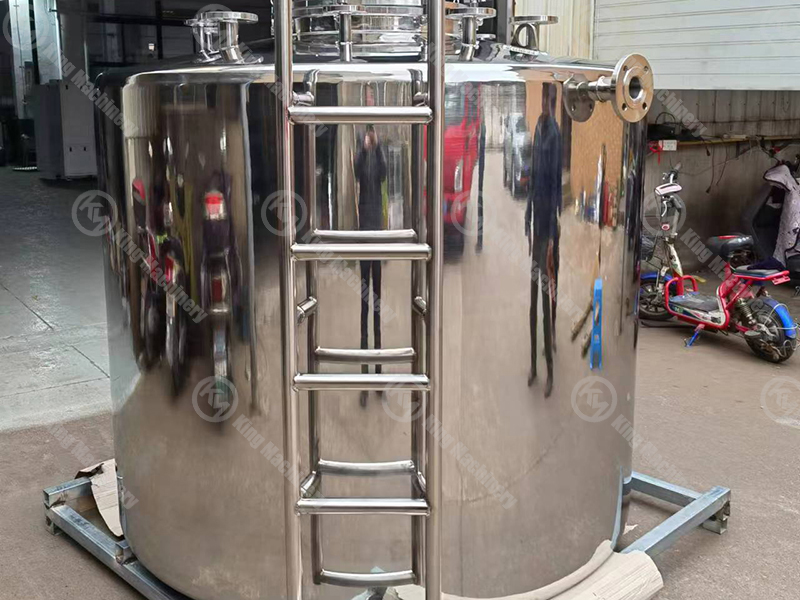
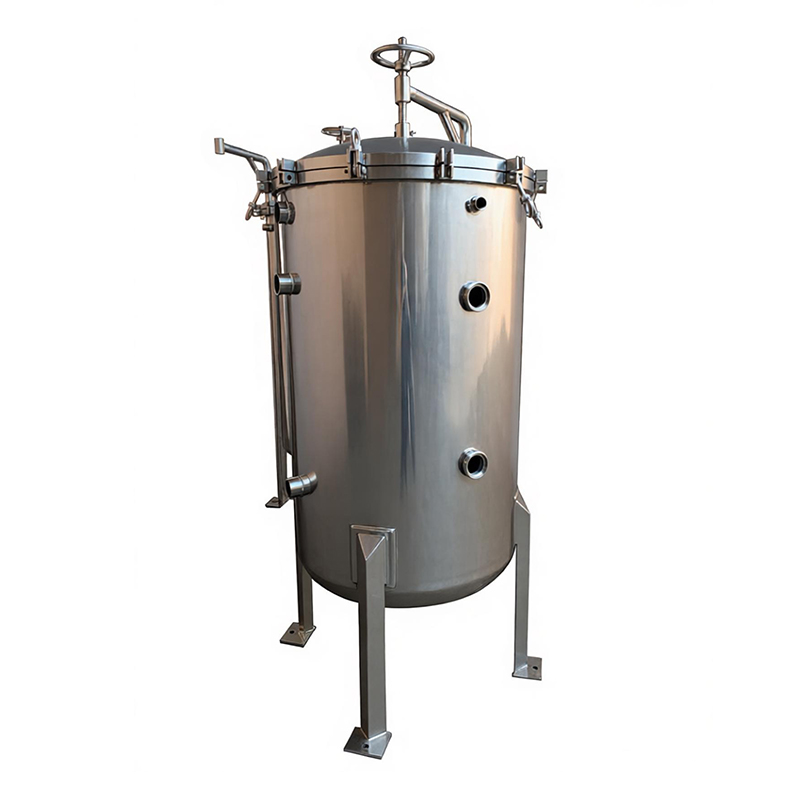
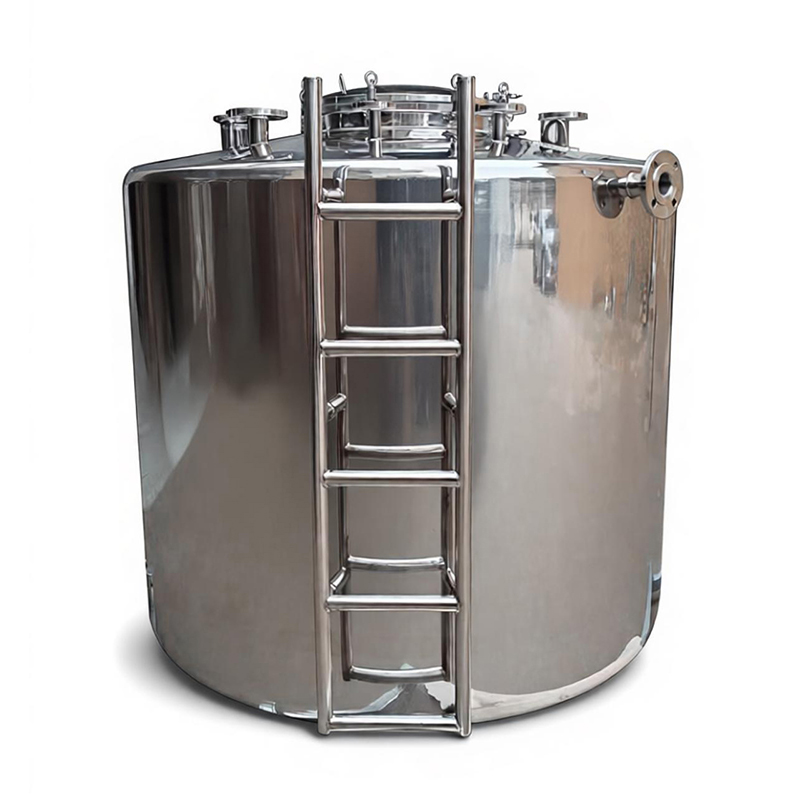
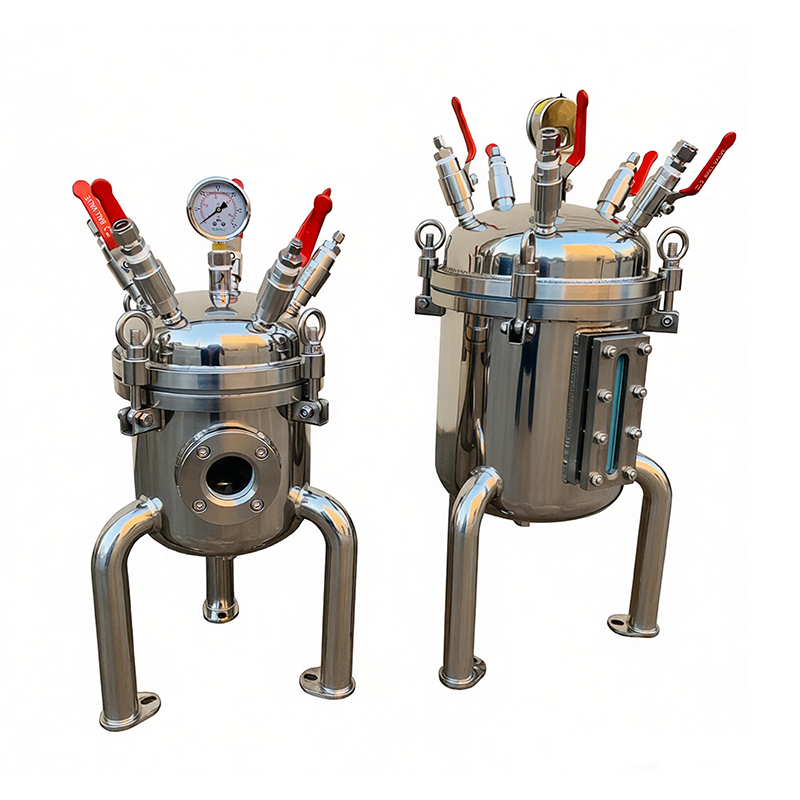
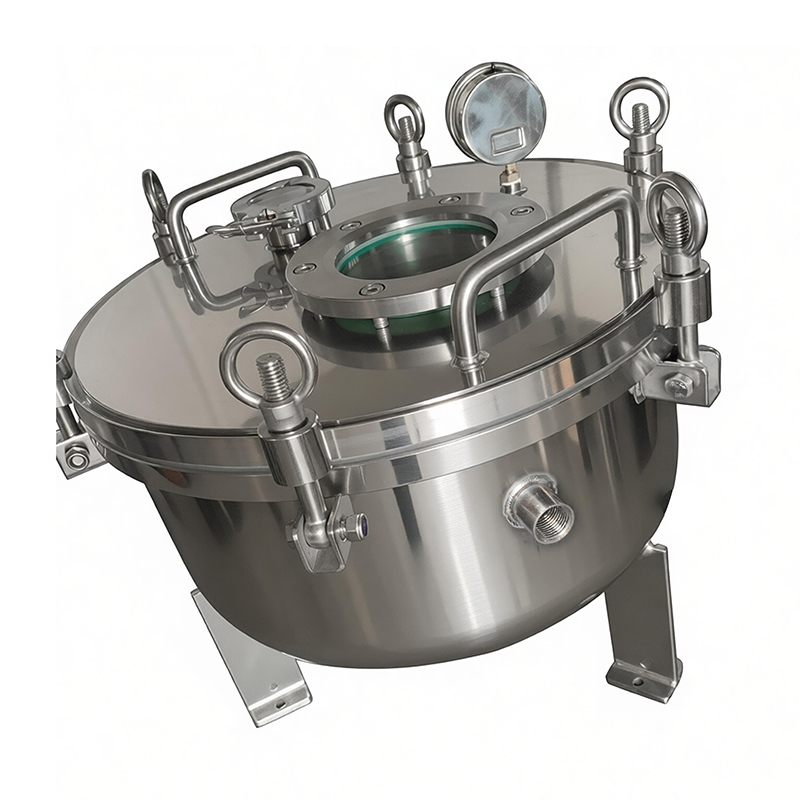
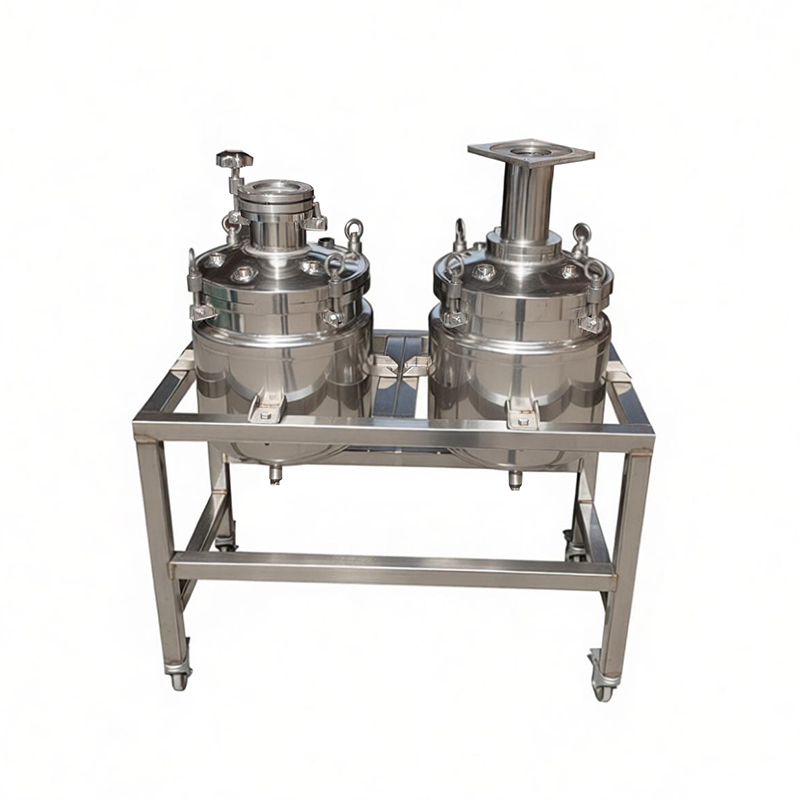
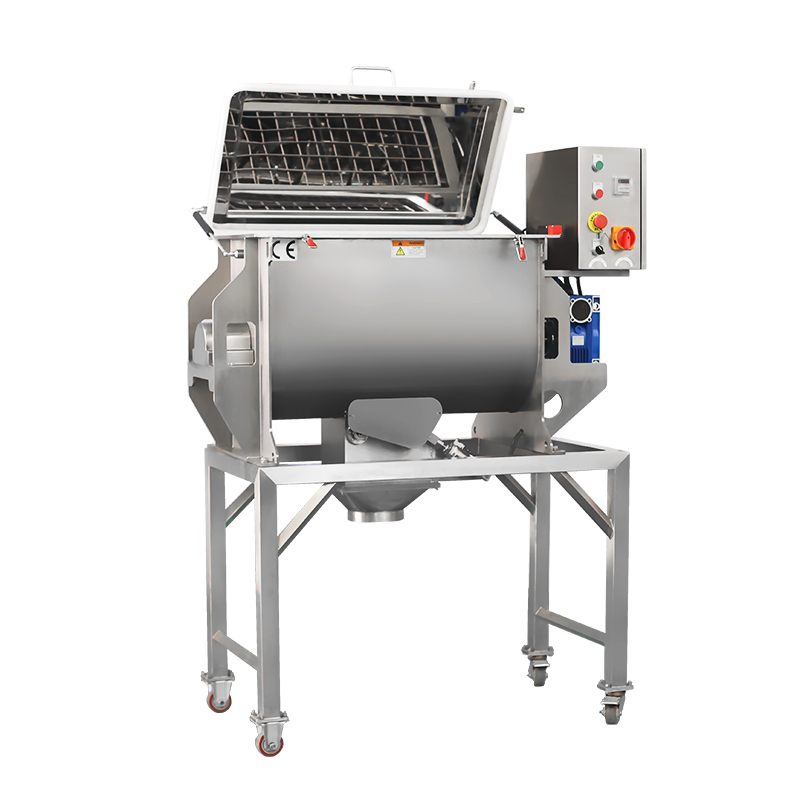
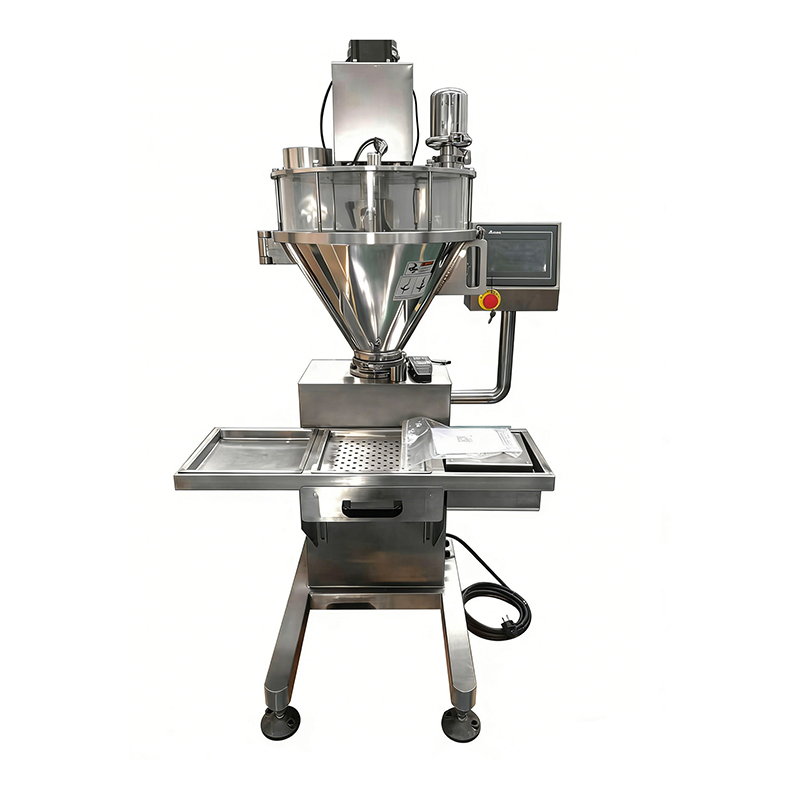
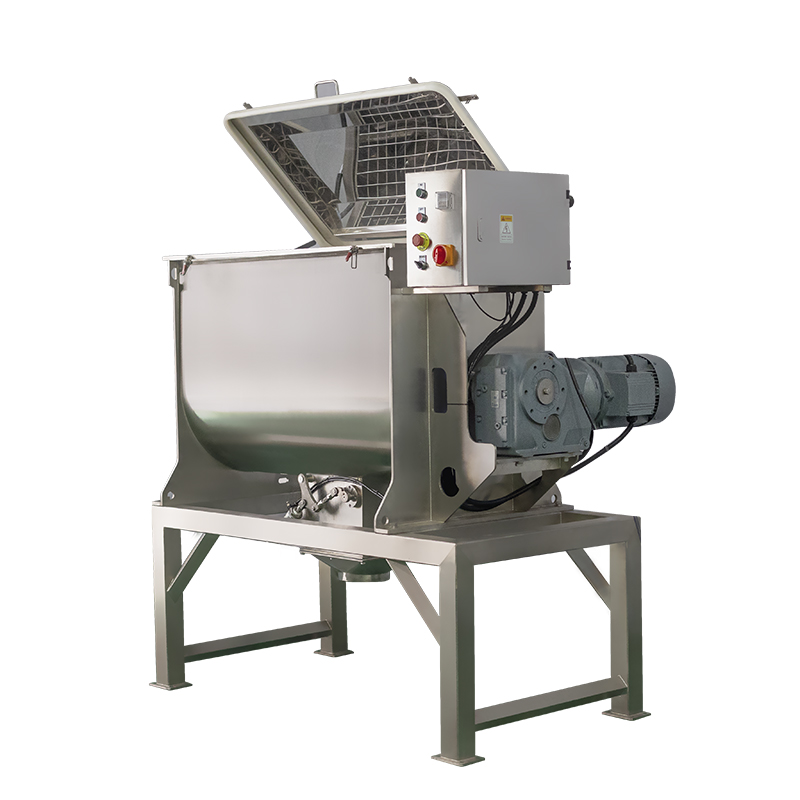
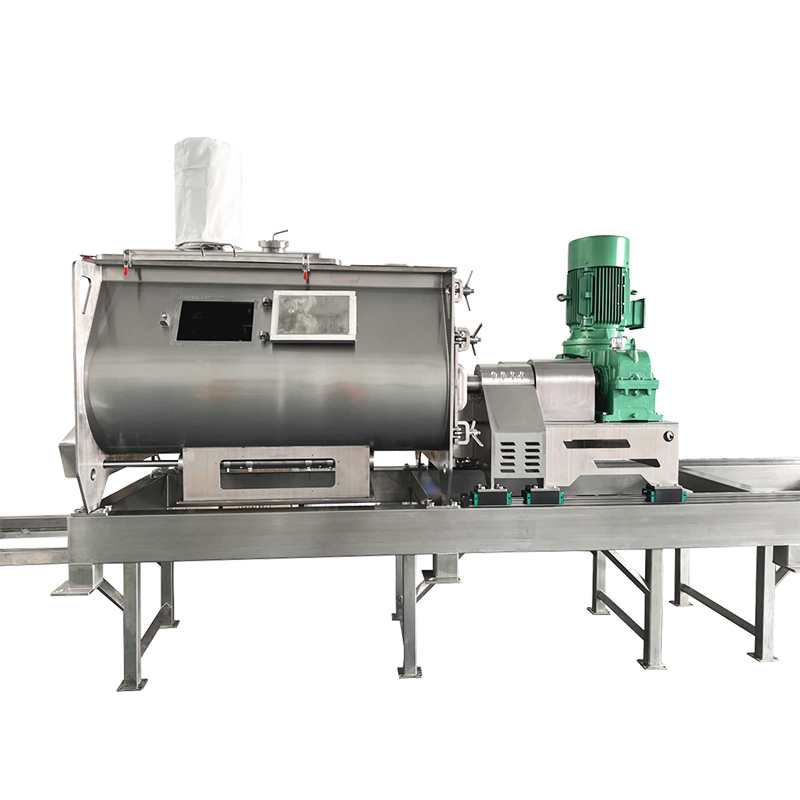
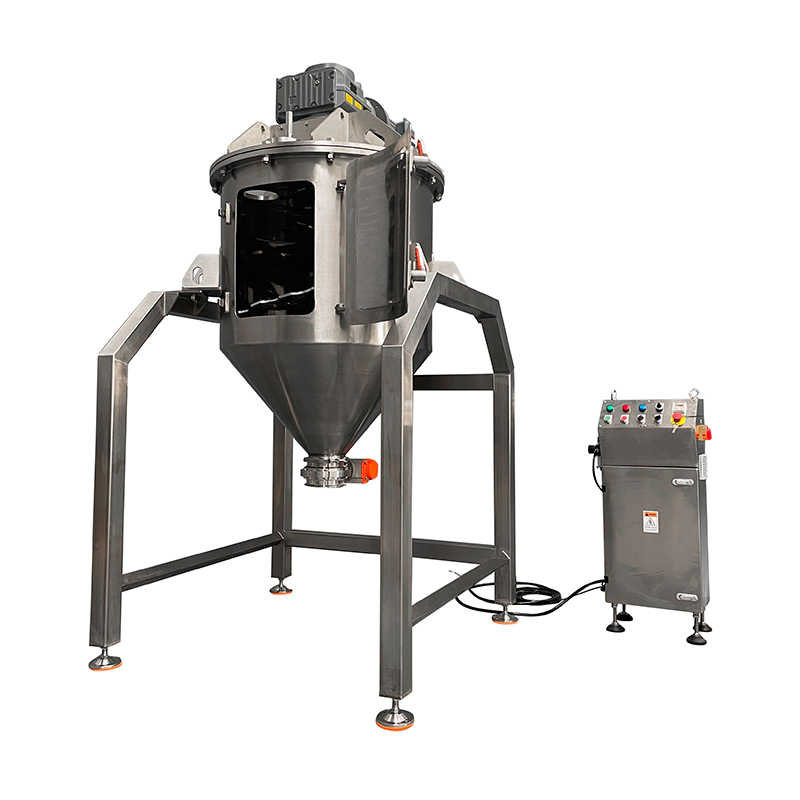
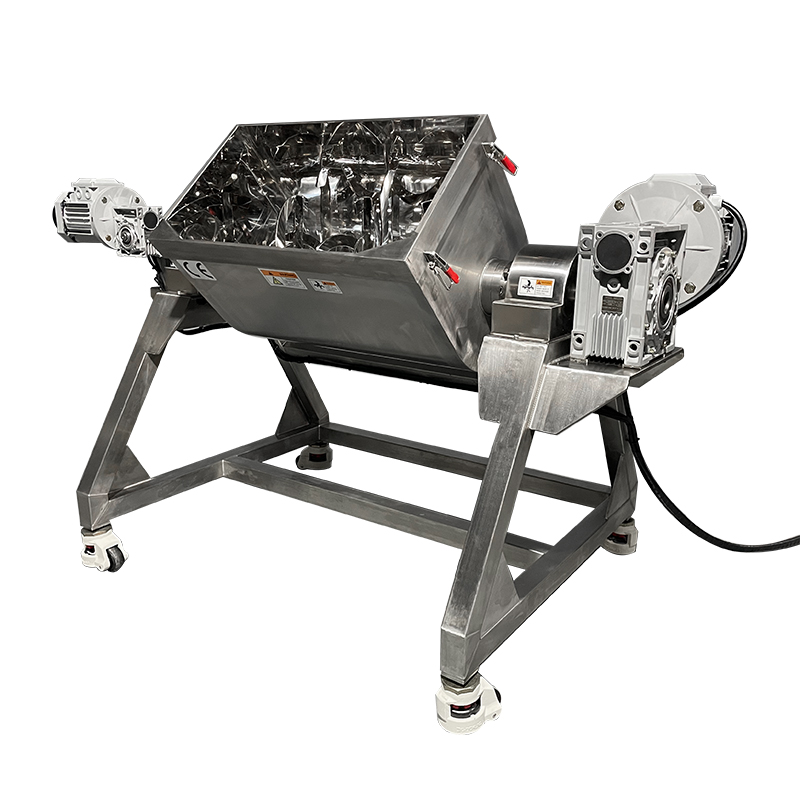
KM specialize in customized stainless steel tanks and process vessels for crystallization, condensation, distillation, mixing, reaction, and thermal processing applications. With rich industry experience, we provide professional OEM/ODM solutions tailored to different production requirements.
Widely used in pharmaceutical, chemical, food, cosmetic, and biotechnology industries, our equipment is designed to meet high efficiency, sanitary, and process performance standards.
KM specialize in non-standard stainless steel storage tanks, offering full customization based on customer drawings or process requirements. Material, size, pressure rating, structure, and surface finish can all be tailored to suit different industries. With in-house welding, polishing, laser cutting, and CNC machining, we ensure stable quality and reliable delivery for global customers.
1. Principle
A crystallizer tank exploits the principle that a substance's solubility in a solvent changes with temperature and concentration. By driving the solution into a supersaturated state — either through controlled cooling or solvent evaporation — dissolved molecules are forced to nucleate and grow into solid crystals of consistent size and purity.
Industrial crystallization tanks typically create supersaturation through:
2. Mainly Structure
 |
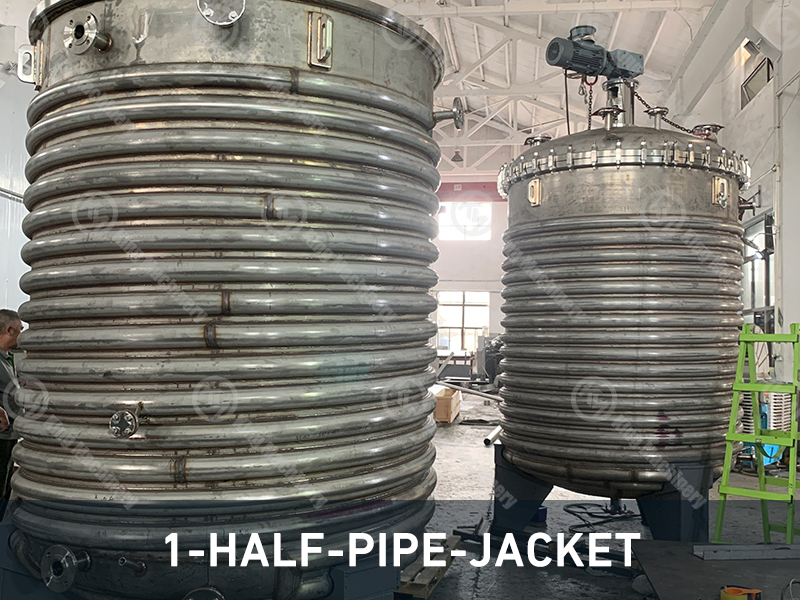
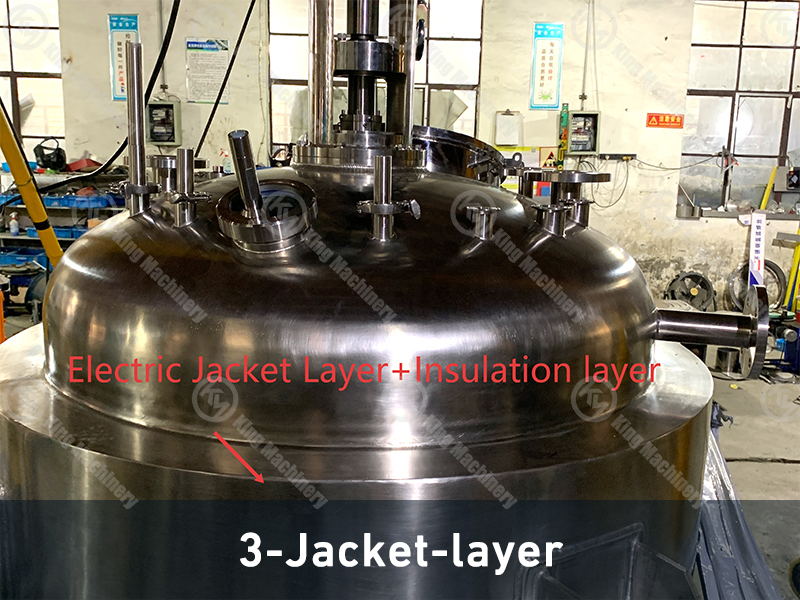
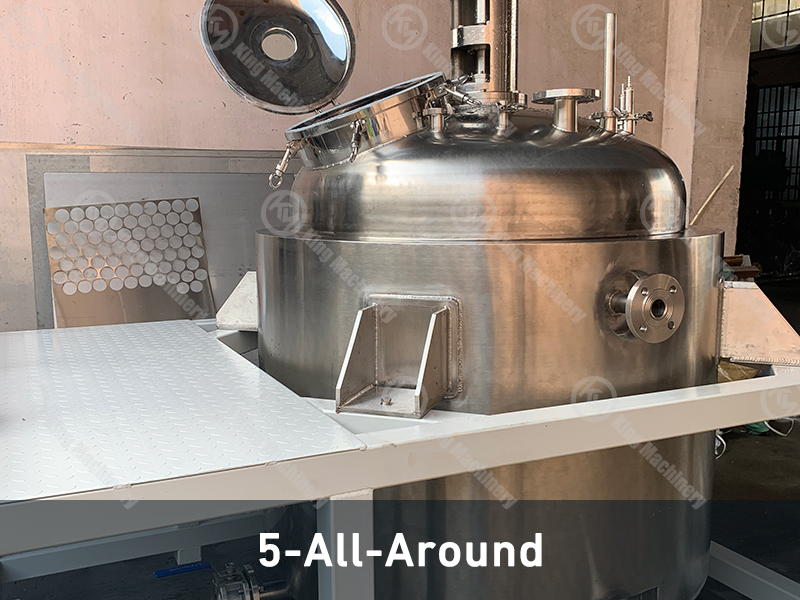
Triple-wall vessel body Inner shell:SUS 316L,mirror-polished to Ra≤0.4 μm.Jacket:SUS 304 with internal baffles for even flow distribution.Outer shell:filled polyurethane foam insulation to minimise thermal loss. |
 |
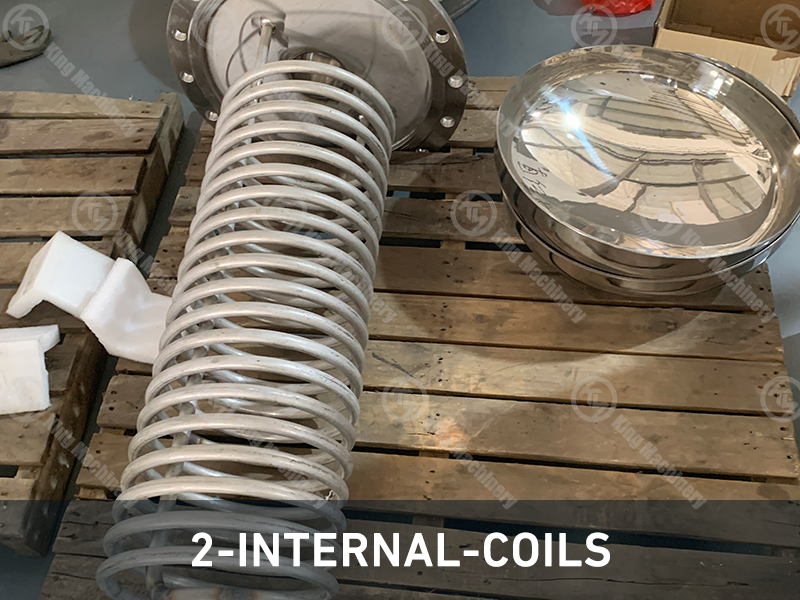
Jacketed temperature control |
 |
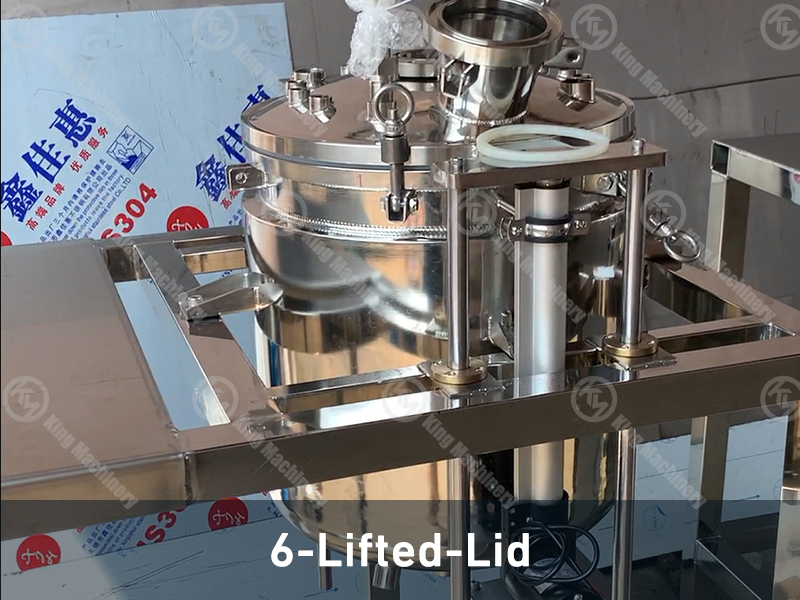
Agitation system Ribbon-helical,anchor,or paddle agitators (application-dependent).Inverter-driven VFD allows wide speed adjustment;maximises heat- transfer surface and crystal uniformity. |
 |
Vent/breather filter |
 |
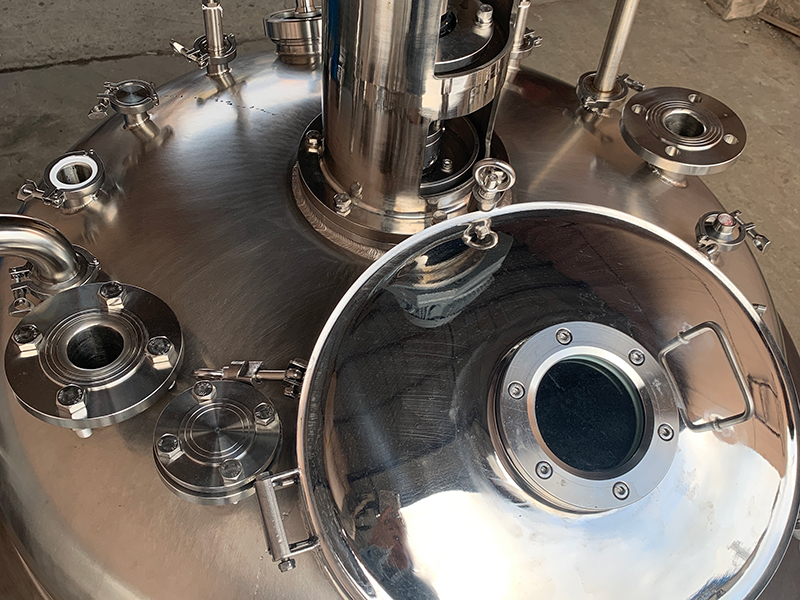
Observation &monitoring Two sight glasses(with LED light),thermowell port,pH probe port,and calibrated pressure gauge.Level sensor provision as standard. |
 |
Mechanical seal&sanitary fittings |
 |
CIP/SIP cleaning system Rotating CIP spray ball provides 360°coverage with zero dead legs.Vessel withstands 121 ℃ steam sterilisation(SIP).Drain outlet is flush- bottom for complete product recovery. |
 |
Automated control system |
3. Industries & typical products
Penicillin / Cephalosporins
Ibuprofen / Aspirin
Vitamin C (Ascorbic acid)
Active Pharmaceutical Ingredients (APIs)
Drug intermediates
Amino acids (Lysine, Glutamic acid)
White / refined sugar
Glucose & fructose
Lactose (dairy)
MSG (monosodium glutamate)
Xylitol / Sorbitol
Citric acid
Sodium chloride (refined salt)
Ammonium sulphate / nitrate
Boric acid
PTA (Purified terephthalic acid)
Soda ash (Na₂CO₃)
Potassium nitrate
Sodium sulphate recovery
FGD (desulphurisation) wastewater
Electroplating effluent — metal salt recovery
Brine concentration (ZLD)
4. Details
5. Drawing
1. Principle
The distillation process works by heating a liquid mixture until the lower-boiling components evaporate. The vapor then rises through the column, where it is cooled and condensed back into liquid form. Finally, the purified liquid is collected separately according to its boiling point and composition.
Heating → Evaporation → Cooling → Collection of Purified Liquid
The basic principle is simple:
Different liquids boil at different temperatures.
The lighter component evaporates first, rises inside the column, cools, condenses, and is collected separately
This process is called:
2. Mainly Structure
| Component | Key Technical Description | Primary Function in Separation |
| Column Shell | Vertical cylindrical pressure vessel,typically fabricated from high-grade stainless steel (such as SS304 or SS316) to withstand operating temperatures and pressure conditions. | Acts as the structural housing for all internal components,containing the pressurized vapor and liquid streams safely within the system. |
| Trays / Plates (Alternative Internal) | Horizontal plates stacked at engineered intervals inside the shell. Common designs include sieve,valve,or bubble cap trays equipped with liquid downcomers. | Creates distinct physical stages where rising vapor bubbles through a layer of falling liquid,facilitating mass transfer and stage-by-stage purification. |
| Packing Material (Alternative Internal) | Random elements (e.g.,Pall rings) or structured corrugated metallic sheets packed tightly inside sections of the column. | Provides a continuous high surface area for liquid to form a thin film,maximizing smooth,continuous boundary contact with the rising vapor. |
| Reboiler | A heat exchanger located at the base of the column,typically powered by industrial steam or hot thermal oil. | Heats the accumulated bottom liquid to its boiling point,generating the continuous thermal upward vapor stream required to drive the separation. |
| Condenser | A cooling heat exchanger situated at the overhead outlet of the column,utilizing cooling water or air-cooled mechanisms. | Cools the purified,low-boiling vapor leaving the top of the column,converting it entirely back into a liquid phase. |
| Reflux Drum & Pump | An overhead collection vessel and routing pump assembly connected directly after the condenser stage. | Splits the condensed liquid,drawing a portion off as final pure distillate product while returning the remaining liquid (reflux) back down the column to wash and purify the rising vapors. |
3. Industries & typical products
| Target Industry | Typical Products / Output Fractions | Primary Distillation Purpose |
| Petroleum & Oil Refining | Liquefied Petroleum Gas (LPG),gasoline,diesel,jet fuel,kerosene,heating oils,and heavy residual bitumen. | Fractional separation of raw crude oil into usable fuel grades based on wide boiling point ranges. |
| Petrochemical & Bulk Chemical | Ethylene,propylene,benzene,toluene,xylenes,styrene,and intermediate monomers. | High-purity isolation of hydrocarbon molecules used downstream for plastics,polymers,and synthetic rubber production. |
| Pharmaceutical & Fine Chemical | Active Pharmaceutical Ingredients (APIs),recycled process solvents (e.g.,acetone,methanol,ethyl acetate). | Purification of high-value compounds and closed-loop solvent recovery to reduce manufacturing waste. |
| Food,Beverage & Distillery | Potable spirits (vodka,whiskey,rum),industrial bio-ethanol,essential oils,and concentrated flavor extracts. | Concentration of ethanol contents from fermentation broths and extraction of aromatic organic compounds. |
| Environmental & Waste Treatment | Purified industrial wastewater,stripped Volatile Organic Compounds (VOCs),and reclaimed mixed chemical waste. | Removal of volatile hazardous pollutants from plant effluents and purification of discarded chemical streams for reuse. |
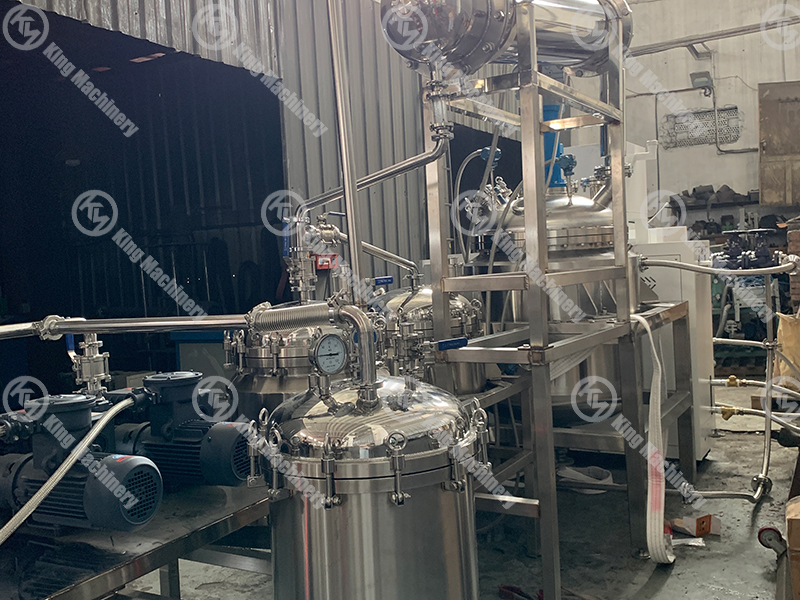
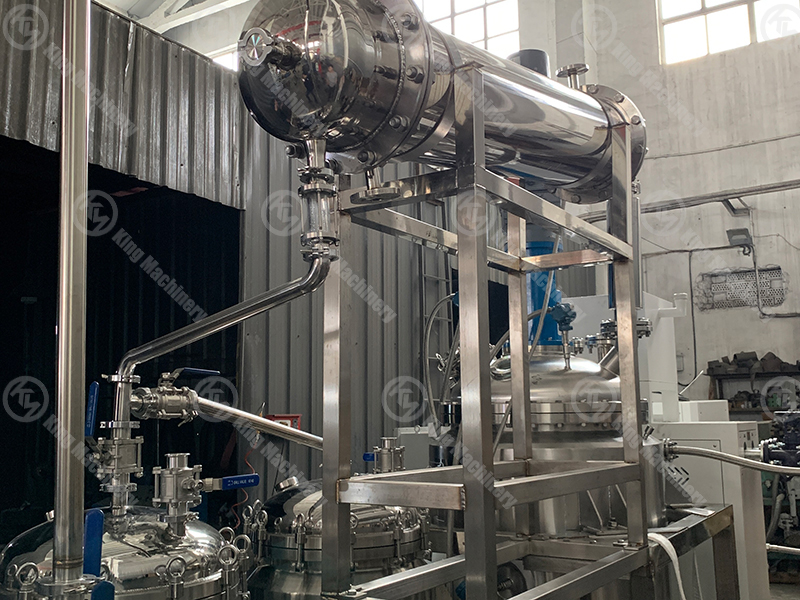
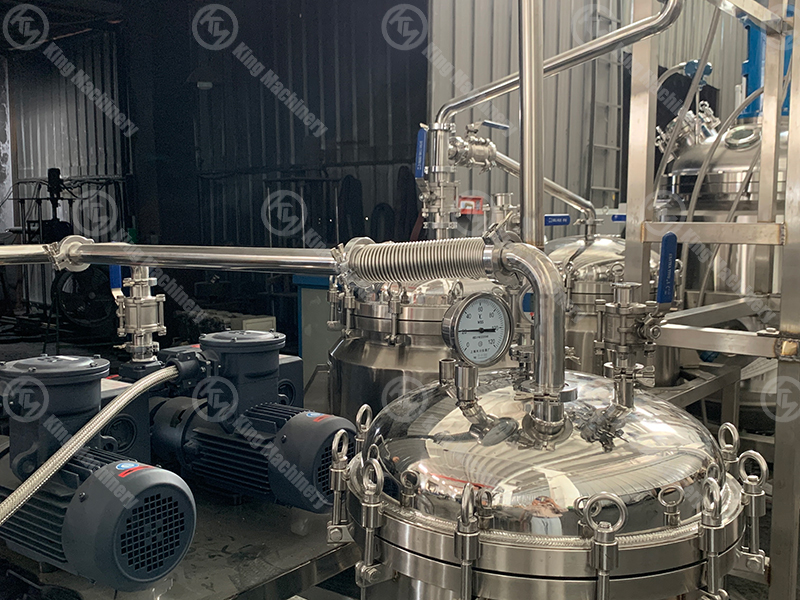
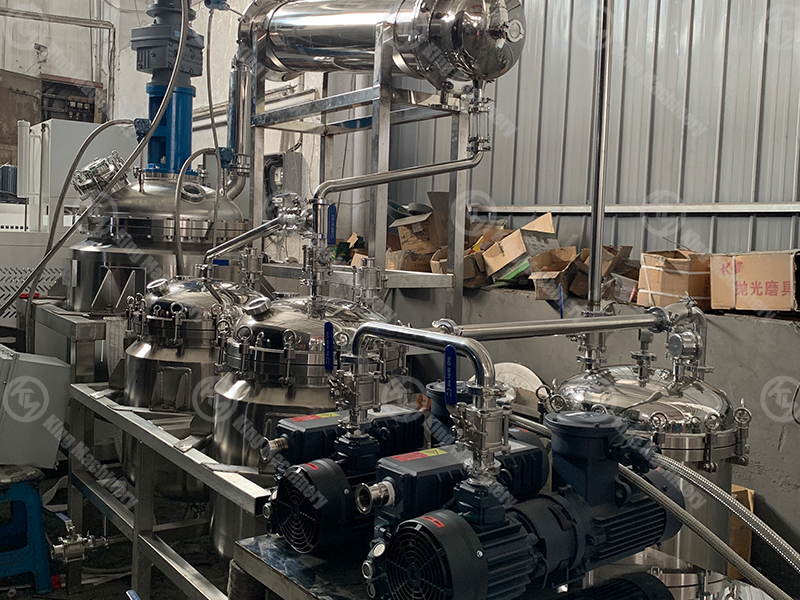
4. Details
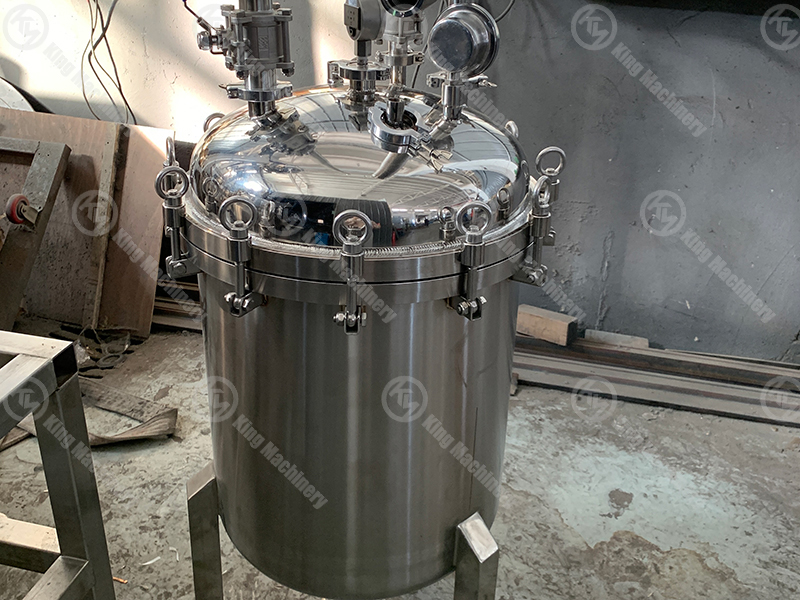
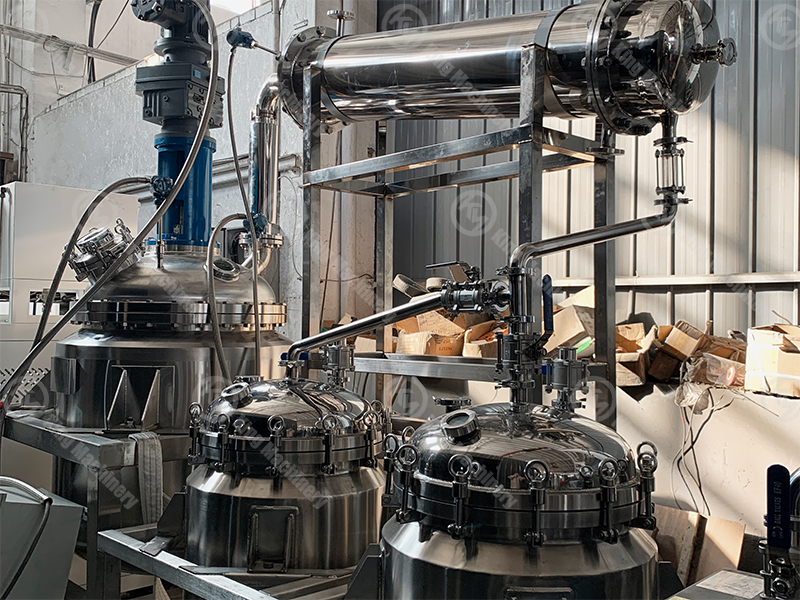
5. Drawing
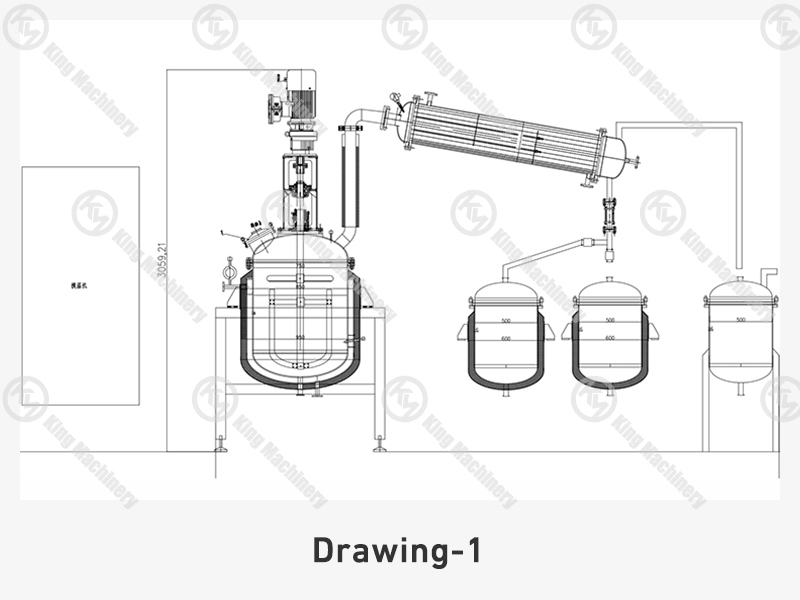
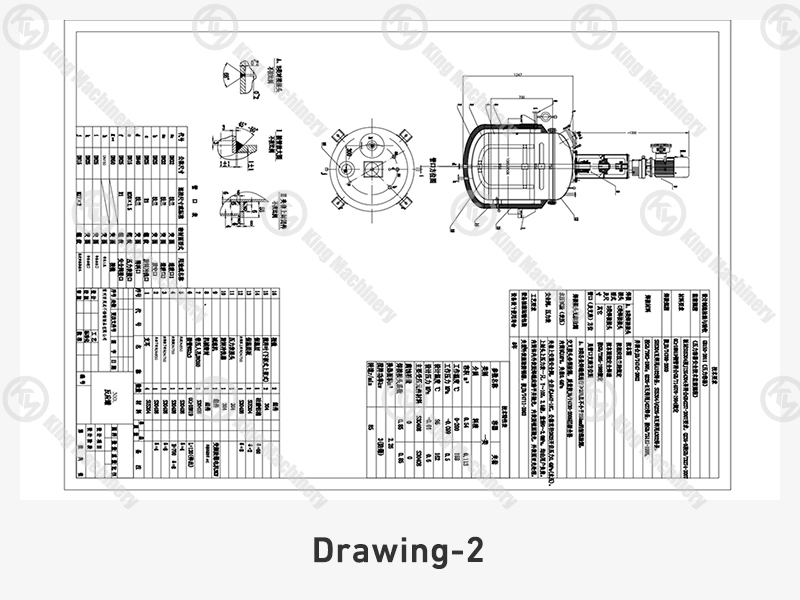
1. Principle
A fermenter, also called a bioreactor, is a specialized vessel designed to cultivate microorganisms or cells under controlled environmental conditions. It is widely used in the food, pharmaceutical, biotechnology, chemical, and beverage industries for biological fermentation processes.
The core purpose of a fermenter is to provide an ideal environment for microorganisms such as yeast, bacteria, or fungi to grow, reproduce, and generate target products.
2. Mainly Structure
| Component | Key Technical Description | Primary Function in Fermentation |
| Fermenter Vessel | Cylindrical pressure-rated tank,almost exclusively constructed from high-grade polished stainless steel (SS316L) to ensure strict sanitary conditions and corrosion resistance. | Serves as the sterile,leak-proof containment chamber where biological growth occurs without external contamination. |
| Agitation System (Impeller & Shaft) | A motor-driven central shaft equipped with mechanical impellers (e.g.,Rushton turbines or hydrofoils) designed for varying shear sensitivities. | Continuously mixes the nutrient broth to maintain uniform temperature,distribute nutrients,and prevent cells from settling to the bottom. |
| Sparger System | A ring or nozzle with microscopic perforations located at the absolute bottom of the vessel,below the impeller. | Injects sterile,compressed air or pure oxygen into the broth in the form of tiny bubbles,ensuring optimal oxygen supply for aerobic organisms. |
| Cooling Jacket / Internal Coils | An outer dimple jacket or an internal coil system through which chilled water or glycol circulation is regulated. | Removes the significant metabolic heat generated by rapidly growing cells,maintaining a stable biological temperature. |
| Control Sensors / Probes | In-line electrochemical probes inserted via sanitary ports to measure parameters like pH,dissolved oxygen (DO),temperature,and foam levels. | Provides real-time feedback data to automated control loops,triggering immediate additions of acids,bases,or anti-foaming agents. |
| Baffles | Vertical metal strips or plates attached securely along the internal walls of the column shell. | Breaks up the circular vortex motion created by agitation,turning it into turbulent top-to-bottom mixing for better oxygen transfer. |
3. Industries & typical products
| Target Industry | Typical Products / Output Biomass | Primary Fermentation Purpose |
| Biopharmaceuticals &Medical | Antibiotics (penicillin,streptomycin),therapeutic insulin,vaccines,monoclonal antibodies,and human growth hormones. | Culturing genetically modified cells under ultra-sterile conditions to express vital medical proteins. |
| Food,Beverage &Brewing | Beer,wine,soy sauce,yogurt,cheese cultures,vinegar (acetic acid),amino acids (MSG),and citric acid. | Utilizing traditional yeasts and lactic acid bacteria to alter food properties,extend shelf-life,and develop flavors. |
| Industrial Biotechnology &Enzymes | Bulk enzymes (amylases,proteases for laundry detergents),bioplastics (PLA/PHA),and organic solvents. | Large-scale production of green,bio-based alternatives to replace traditional chemical synthesis. |
| Biofuels &Energy | Fuel-grade bio-ethanol (from corn or sugarcane) and bio-butanol. | Anaerobic conversion of plant-derived sugars into renewable fuel components on a massive volume scale. |
4. Details