
When Should You Choose a Double Cone Mixer?
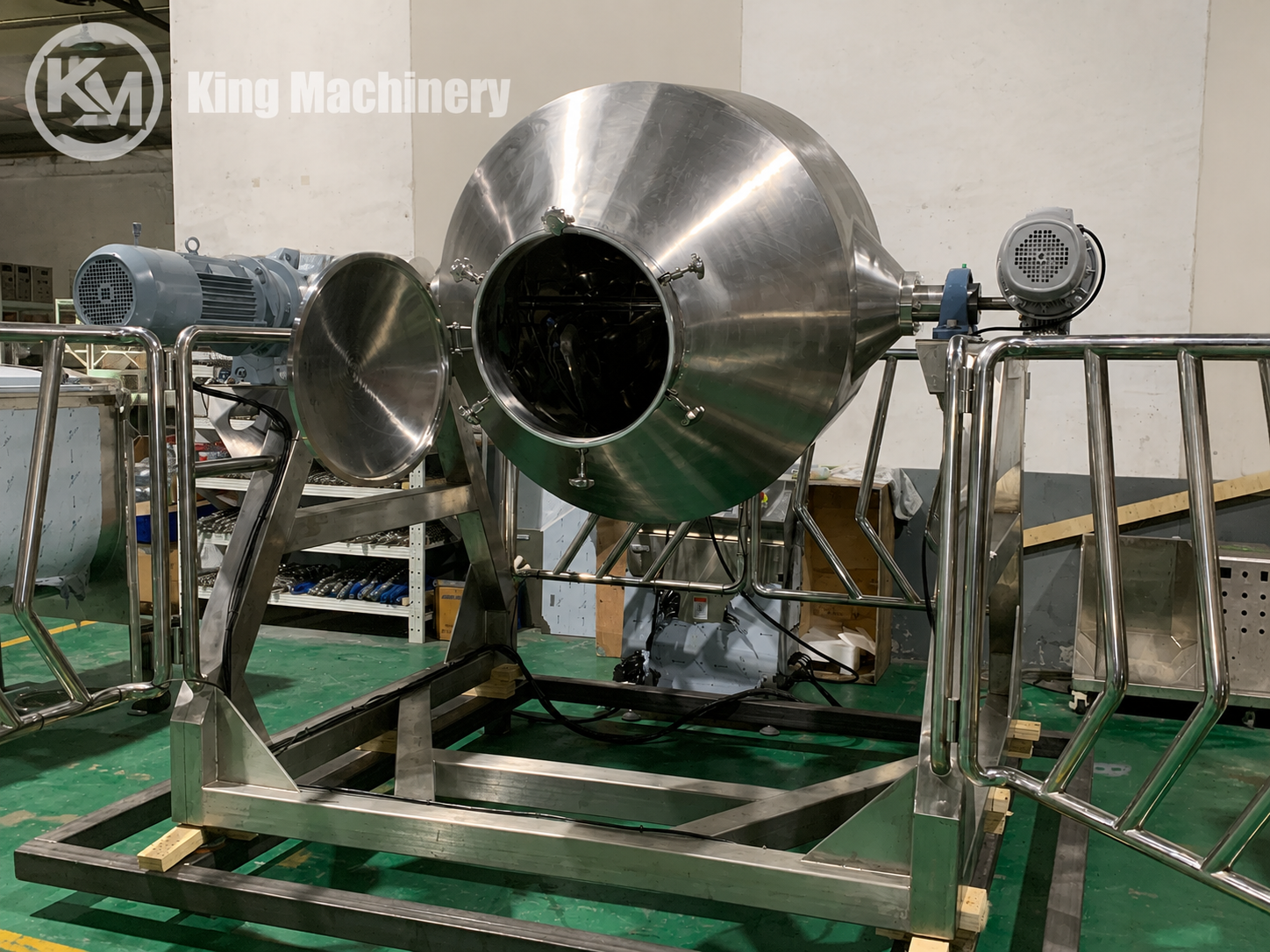
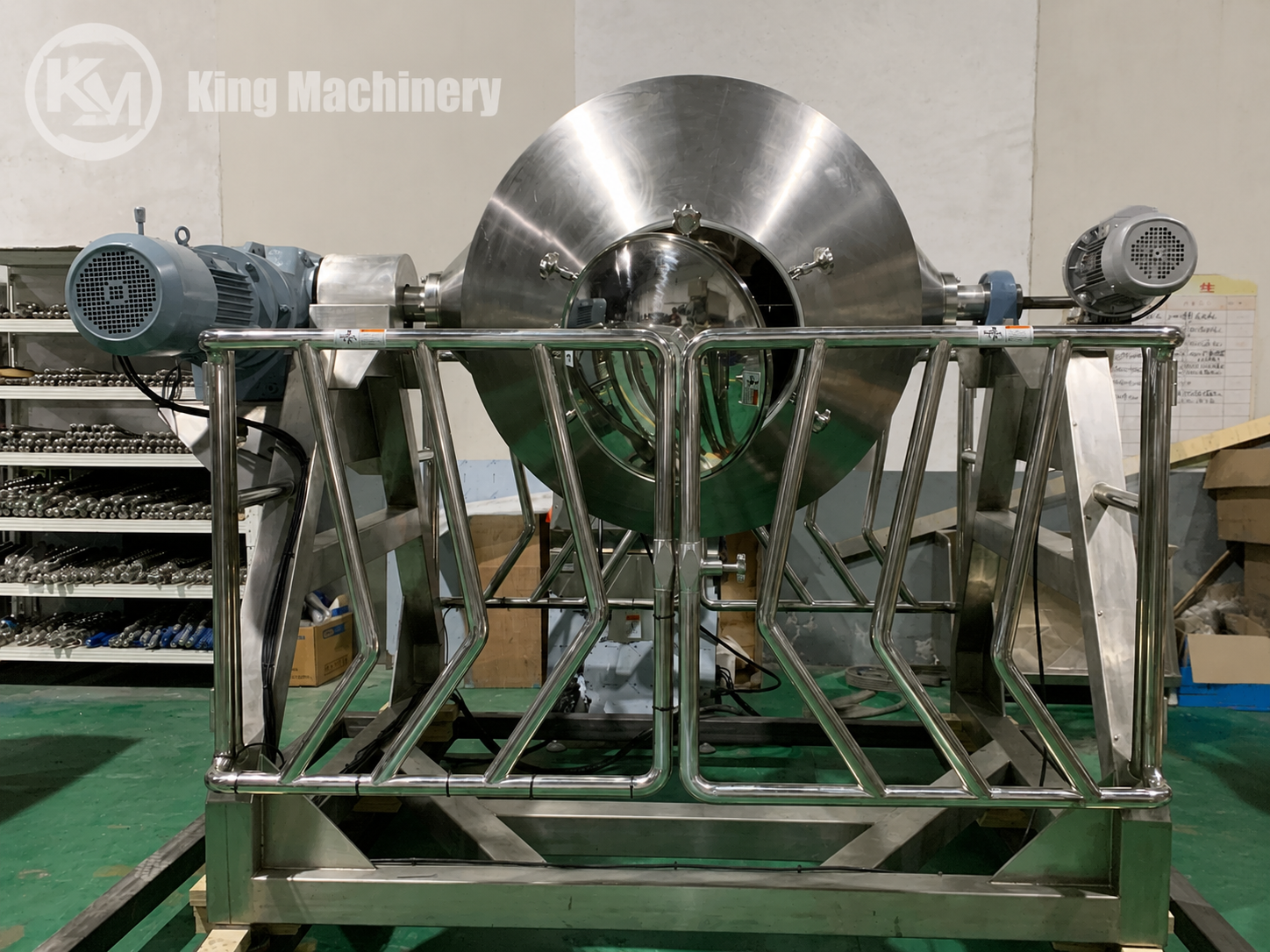
Selecting the right powder mixing equipment involves more than comparing capacities or motor power. Different mixing technologies are designed for different materials and production goals, and choosing the wrong equipment can lead to poor mixing quality, longer processing times, and unnecessary product waste. Among the various industrial mixers available, the double cone mixer stands out for its simple structure and gentle mixing action. Understanding when this type of mixer is the best choice can help manufacturers improve both product quality and production efficiency. A double cone mixer consists of two cone-shaped sections joined at the center and mounted on a rotating frame. As the vessel rotates, powders continuously tumble from one side to the other under the influence of gravity. Unlike ribbon or paddle mixers that rely on mechanical agitators, a double cone mixer achieves blending through gentle rotational movement. This design minimizes mechanical stress while providing uniform mixing for many dry powder applications.
One of the biggest advantages of a double cone mixer is its ability to handle fragile materials. Some powders contain particles that can easily break or deform during aggressive mixing. Pharmaceutical granules, nutritional supplements, coated particles, and specialty chemicals often require careful handling to preserve their physical properties. Because the double cone mixer relies on tumbling rather than high-shear agitation, it significantly reduces the risk of particle damage. The mixer is particularly suitable for powders with similar particle sizes and bulk densities. When materials have comparable physical characteristics, the rotating vessel allows particles to move naturally and blend evenly throughout the batch. This makes the equipment an excellent choice for applications where high mixing uniformity is required without excessive mechanical force.
Another advantage is its hygienic design. Since the mixing chamber has a smooth internal surface and contains no internal mixing blades or shafts, there are fewer areas where material can accumulate. This simplifies cleaning and reduces the risk of cross-contamination between production batches. For industries such as pharmaceuticals, food processing, and cosmetics, where hygiene standards are extremely important, this design offers significant operational benefits. Manufacturers that frequently change product formulations also benefit from the easy cleaning characteristics of double cone mixers. Shorter cleaning times reduce production downtime and improve equipment utilization. When multiple products are processed on the same production line, minimizing cleaning effort can have a direct impact on overall manufacturing efficiency.
Energy efficiency is another reason many companies select double cone mixers. Since the equipment depends primarily on gravity and slow rotational movement instead of high-speed mechanical agitation, power consumption is generally lower than many other mixer types. This makes the mixer an attractive option for manufacturers seeking to reduce operating costs while maintaining consistent product quality. However, a double cone mixer is not the ideal solution for every application. Materials with large differences in particle size or density may separate instead of blending uniformly. Sticky powders, high-moisture products, or materials requiring intensive dispersion are also less suitable because the equipment does not generate sufficient shear force to break agglomerates or distribute liquid additives effectively.
Production capacity and process requirements should also be considered. Double cone mixers are primarily designed for batch production rather than continuous processing. Manufacturers with extremely high production volumes or processes requiring rapid mixing cycles may find ribbon mixers or paddle mixers more suitable. Evaluating production objectives alongside material properties helps ensure the selected equipment supports long-term operational goals. Construction materials are equally important when designing a double cone mixer. Standard SS304 is suitable for many industries, while SS316 offers improved corrosion resistance for food, pharmaceutical, and chemical applications. For highly corrosive environments, materials such as titanium, Hastelloy, or duplex SS2205 can further improve equipment durability and extend service life. Selecting the appropriate construction material ensures reliable performance under demanding production conditions.
Many manufacturers also integrate double cone mixers into complete powder processing lines. Combined with automatic feeding systems, storage tanks, vacuum conveyors, powder filling machines, and intelligent control systems, the mixer becomes part of a highly efficient and automated production process. This integrated approach improves material handling, reduces manual labor, and enhances overall process consistency. Ultimately, a double cone mixer is the right choice when gentle blending, product protection, hygienic operation, and easy cleaning are higher priorities than aggressive mixing intensity. By carefully evaluating material characteristics, production requirements, and future expansion plans, manufacturers can determine whether a double cone mixer offers the best balance of efficiency, product quality, and long-term operating value. For companies that provide customized stainless steel mixing equipment, tailoring the mixer to the customer's specific materials and production process often delivers the most reliable and cost-effective solution.