
Ribbon Mixer vs Paddle Mixer: Understanding the Key Differences
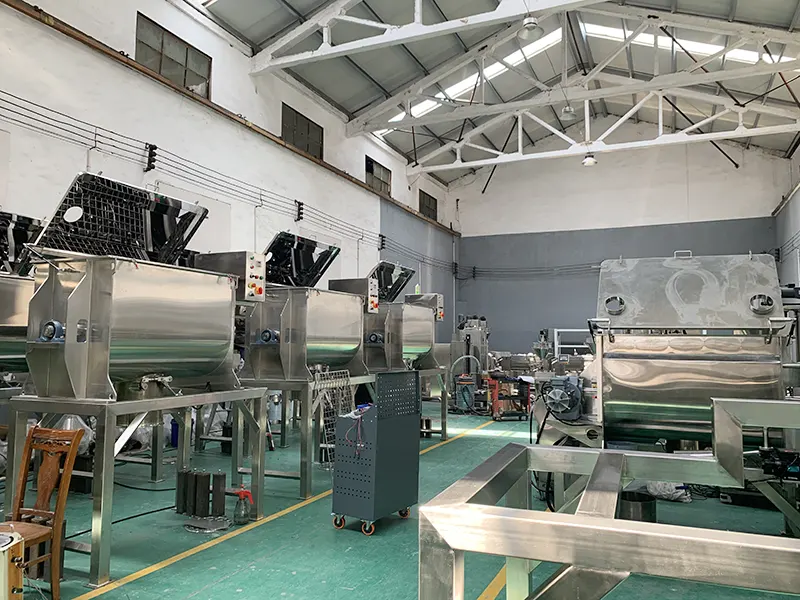
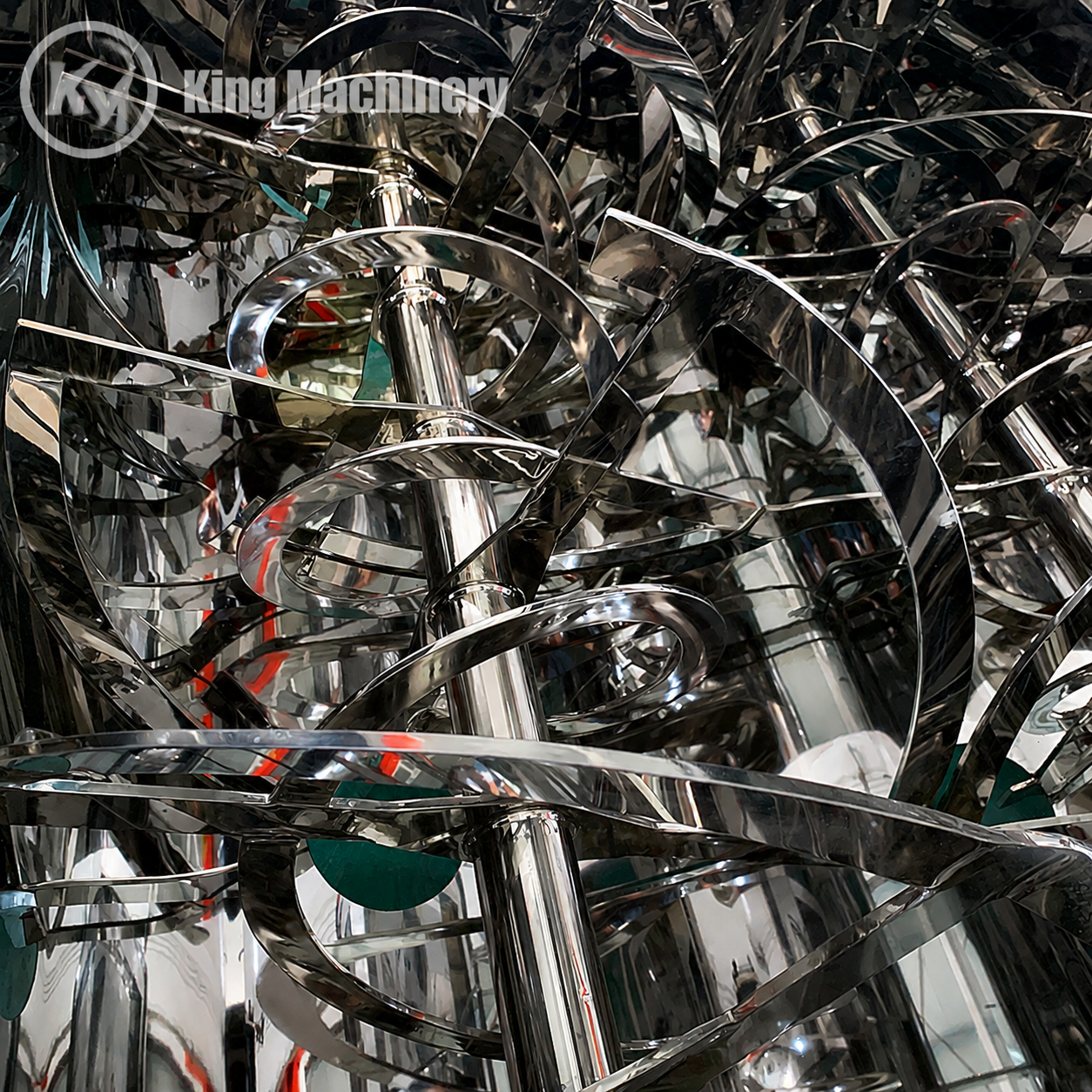
Industrial powder mixing is a critical step in many manufacturing processes, influencing product quality, production efficiency, and material consistency. Among the most commonly used mixing technologies are ribbon mixers and paddle mixers. Although they share the same purpose of blending powders and granules, their mixing principles and ideal applications differ significantly. Understanding these differences helps manufacturers select equipment that matches both their materials and production objectives. A ribbon mixer features inner and outer helical ribbons mounted on a horizontal shaft. During operation, the outer ribbon moves materials toward the center while the inner ribbon pushes them toward both ends of the mixing chamber. This opposing flow creates continuous circulation, allowing powders to blend quickly and evenly throughout the entire batch.
A paddle mixer uses multiple paddles fixed along a rotating shaft to lift, fold, and tumble materials in three dimensions. Instead of relying mainly on horizontal movement, the paddles repeatedly reposition materials throughout the vessel. This gentler mixing action makes paddle mixers suitable for products that require careful handling or contain fragile particles. Material characteristics often determine which mixer delivers better performance. Ribbon mixers perform exceptionally well with free-flowing powders that have similar particle sizes and bulk densities. Paddle mixers are generally more effective when processing materials with different densities, irregular particle shapes, or ingredients that may be damaged by aggressive mixing.
Mixing speed is another noticeable difference. Ribbon mixers typically achieve homogeneous blends within a relatively short mixing cycle, making them popular for high-volume manufacturing. Paddle mixers may require slightly longer mixing times, but they compensate by providing gentler product handling and reducing the risk of particle degradation during processing. Liquid addition also influences equipment selection. Many food, chemical, and pharmaceutical products require oils, flavors, binders, or other liquid ingredients to be incorporated into dry powders. Paddle mixers usually distribute small liquid additions more uniformly because the lifting and folding motion continuously exposes fresh particle surfaces. Ribbon mixers can also handle liquid additions, but performance depends on the amount of liquid and the formulation being processed.
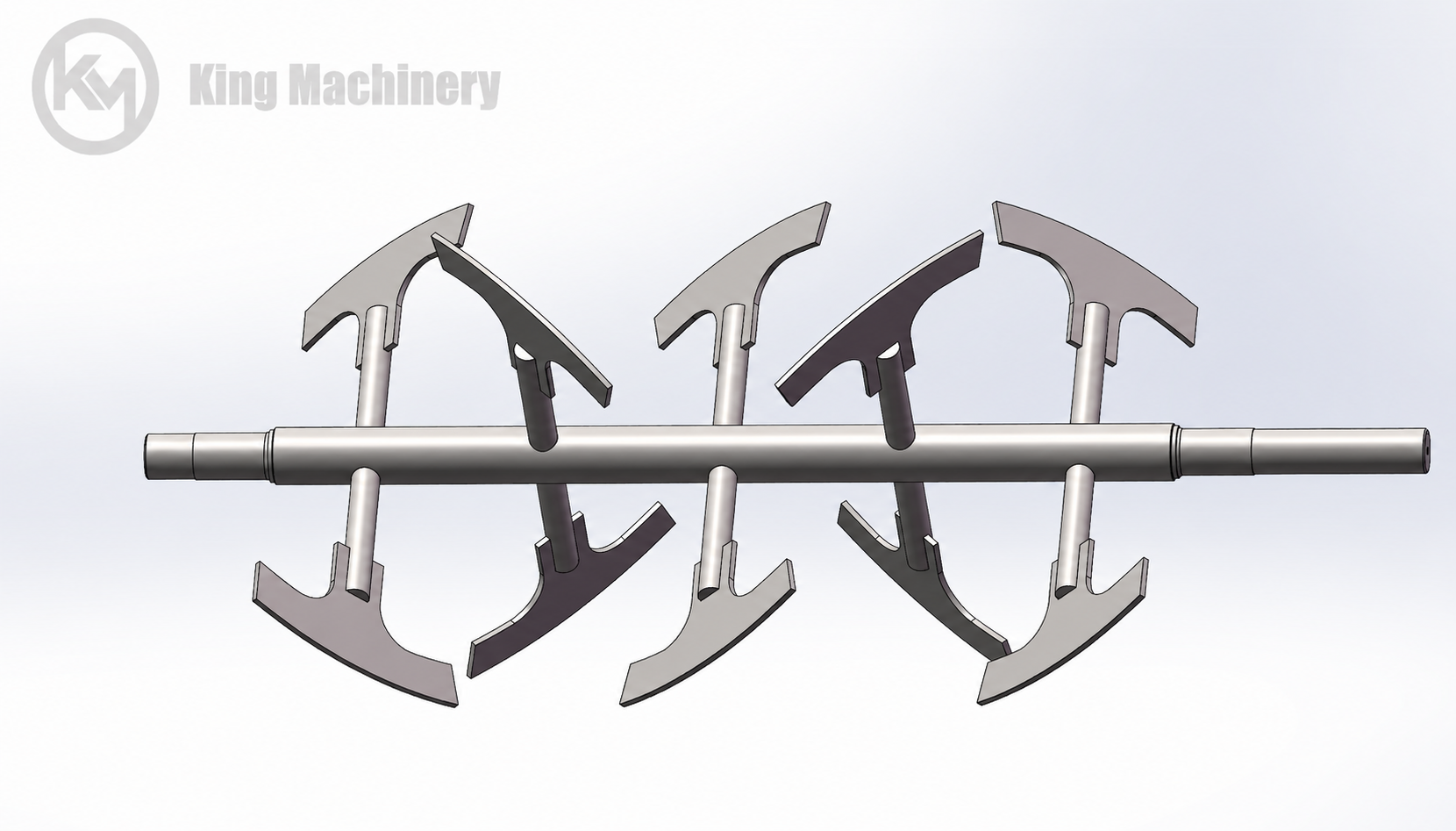
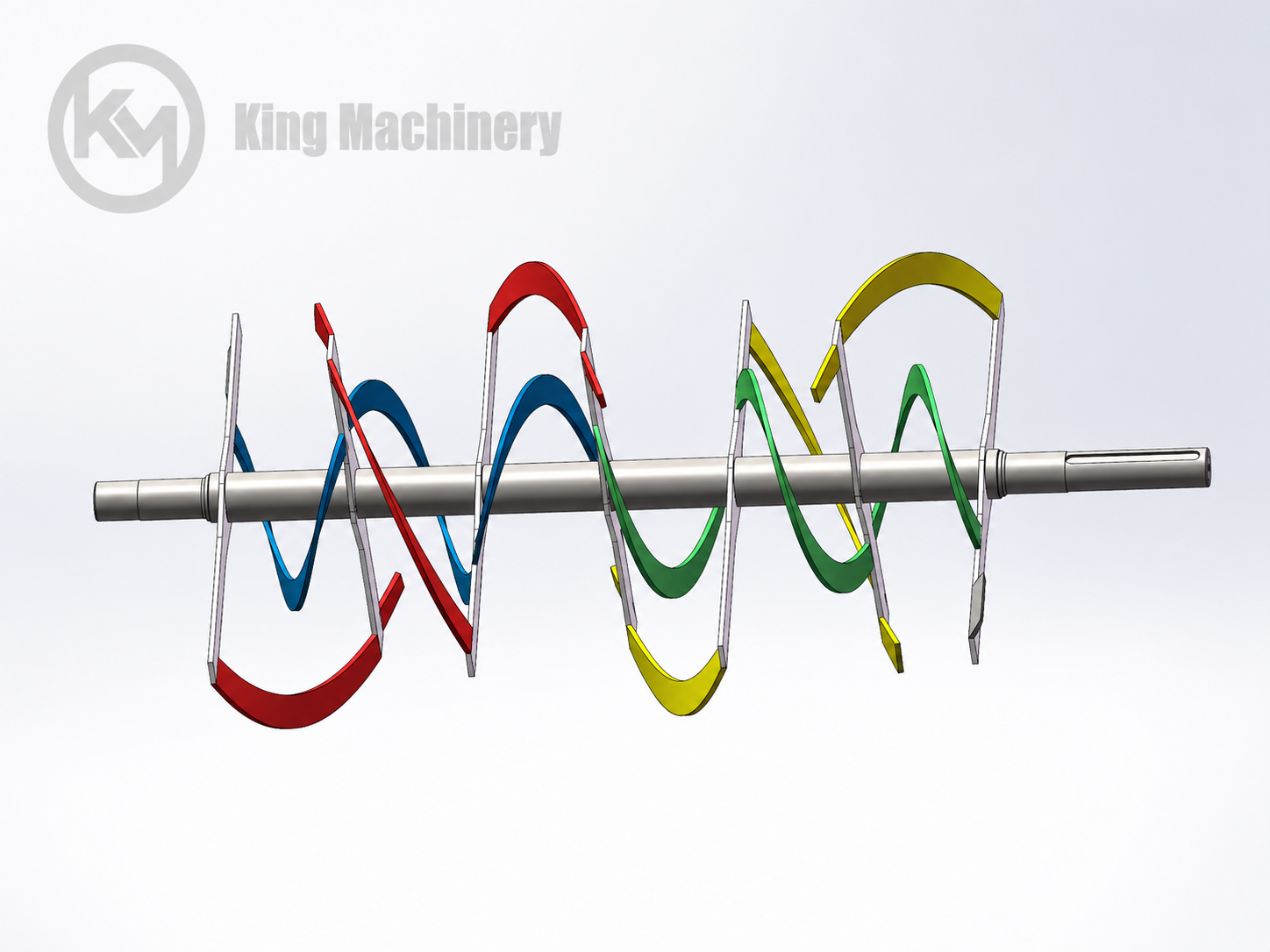
Cleaning efficiency is particularly important for manufacturers producing multiple product formulations. Ribbon mixers contain closely spaced ribbon assemblies that may require additional attention during cleaning, especially when processing sticky materials. Paddle mixers generally have a more open internal structure, making them easier to inspect, clean, and maintain between production batches. Equipment durability depends not only on the mixing principle but also on construction materials. Abrasive powders gradually wear mixing components, while corrosive products may attack standard stainless steel surfaces. Selecting suitable materials such as SS316, duplex SS2205, titanium, or Hastelloy can significantly improve equipment reliability and extend service life under demanding production conditions.
Production requirements should also be considered before choosing between the two mixer types. Manufacturers operating continuous, high-capacity production lines often prefer ribbon mixers because of their fast mixing cycles. Facilities producing specialty chemicals, nutritional products, or pharmaceutical ingredients may benefit more from paddle mixers, where maintaining product integrity is more important than maximizing throughput. Automation is another important consideration. Both ribbon mixers and paddle mixers can be integrated with powder feeding systems, storage tanks, conveying equipment, filling machines, and automated control systems. Selecting the appropriate mixer should therefore support the efficiency of the entire production line rather than focusing only on the mixing stage.
There is no universal answer to whether a ribbon mixer or paddle mixer is the better choice. The optimal solution depends on powder properties, production capacity, cleaning requirements, product sensitivity, and long-term operating goals. Evaluating these factors before equipment selection helps manufacturers improve mixing consistency while reducing maintenance and operating costs. Rather than selecting equipment based solely on specifications or purchase price, manufacturers should consider how the mixer interacts with the material throughout the entire production process. Working with an experienced equipment manufacturer that can customize mixer design, construction materials, and process integration ensures a solution that delivers stable performance, consistent product quality, and greater value throughout the equipment's service life.