
How Impeller Position Changes Liquid Mixing Performance Inside an Agitator Tank
In liquid processing, the agitator is one of the most important components determining mixing quality, energy consumption, and production efficiency. While many manufacturers focus on selecting the right impeller type or motor power, the position of the impeller inside the tank is equally critical. Even the same impeller can produce completely different mixing results when installed at different heights or locations. Impeller position directly influences liquid circulation, shear distribution, suspension performance, and overall process stability. An agitator tank is designed to create controlled movement within a liquid system. The impeller generates flow patterns that move liquid throughout the vessel, ensuring ingredients are blended, solids remain suspended, or chemical reactions occur evenly. However, the effectiveness of this movement depends not only on the impeller design but also on where the impeller is placed relative to the tank bottom, liquid surface, and internal structures. Proper positioning allows the mixing energy to be distributed more efficiently throughout the entire tank.
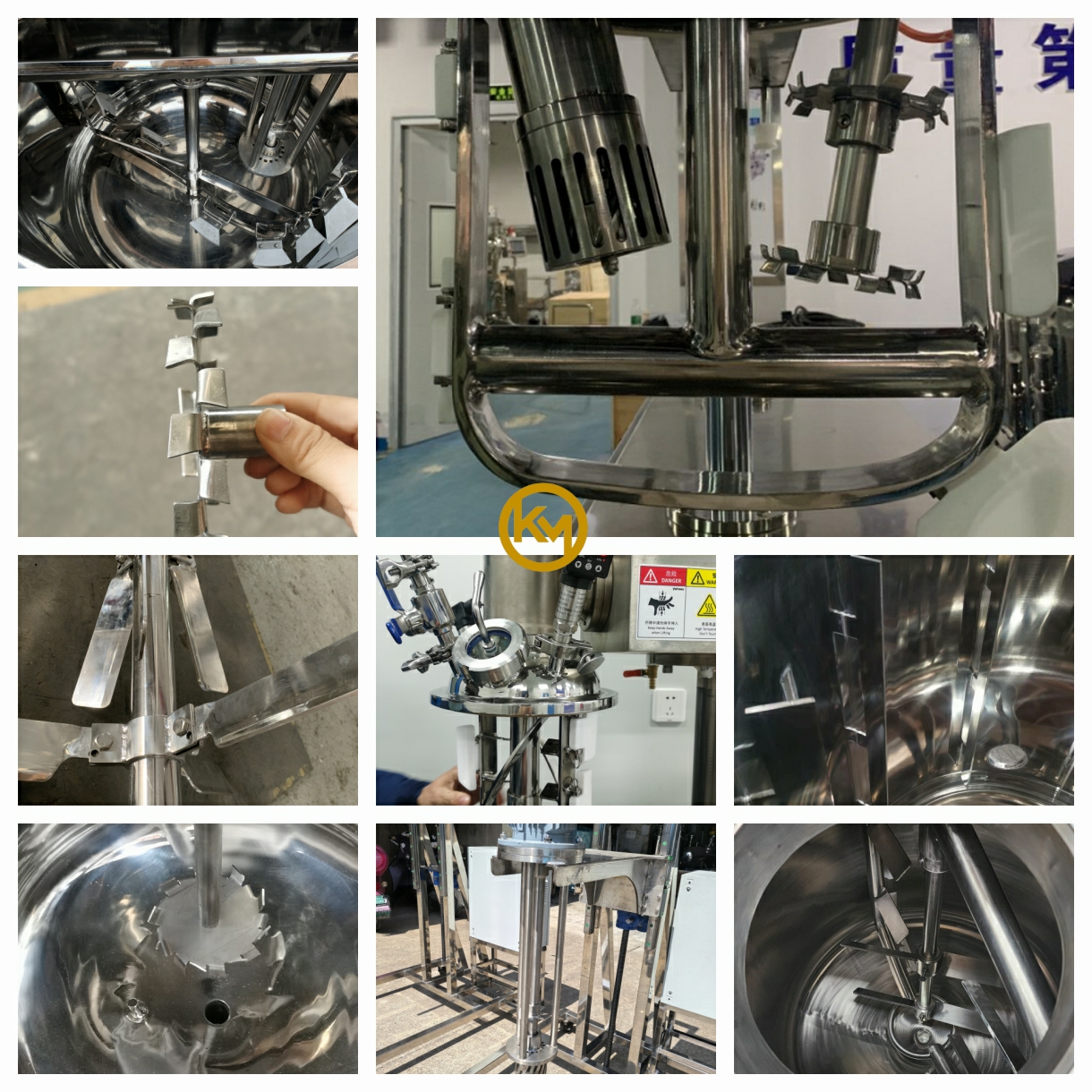
One of the most common considerations is the vertical position of the impeller on the shaft. If the impeller is positioned too close to the tank bottom, it may create strong local circulation but fail to effectively move liquid in the upper section of the vessel. This can result in uneven mixing and stagnant areas. On the other hand, placing the impeller too high may reduce bottom circulation, making it difficult to suspend heavier particles or prevent sedimentation. The liquid level inside the tank also affects impeller positioning. A tank operating with a low liquid volume may require a different impeller height compared with a fully filled vessel. If the impeller is not properly positioned according to the working volume, the mixing pattern may become unstable, causing excessive surface turbulence, poor circulation, or unnecessary energy consumption. For this reason, agitator tank design must consider both the minimum and maximum operating conditions.
Tank geometry is another factor that determines the ideal impeller location. The ratio between tank diameter and height influences how liquid moves during agitation. Taller tanks often require careful impeller placement or multiple impellers to achieve uniform mixing from top to bottom. Large industrial tanks may use multiple agitation levels to improve circulation, especially when processing high-viscosity liquids or products containing suspended solids. The type of mixing process also affects impeller positioning requirements. For simple liquid blending, the goal is usually to create sufficient circulation to achieve uniform composition. In solid suspension applications, the impeller must generate enough bottom movement to prevent particles from settling. For gas-liquid mixing or reaction processes, the impeller position must support efficient dispersion and contact between different phases.
Viscosity is another important consideration when determining impeller placement. Low-viscosity liquids are easier to circulate and often require less complex designs. High-viscosity materials, however, resist movement and may develop areas with limited flow. In these applications, the impeller position, diameter, speed, and power input must be carefully matched to ensure the entire liquid volume receives sufficient mixing energy. The installation position of the impeller also influences shear conditions. Some products require strong shear forces for dispersion or homogenization, while others are sensitive to excessive mechanical stress. Pharmaceutical ingredients, cosmetics, and specialty chemicals may require gentle mixing to protect product structure. Proper impeller positioning helps achieve the required flow pattern without applying unnecessary shear that could affect product quality.
Baffles and other tank internals work together with impeller position to improve mixing performance. Without proper design, liquid rotation may create a vortex where the entire fluid mass spins around the tank instead of mixing effectively. Correct impeller height combined with properly installed baffles converts rotational movement into vertical circulation, improving blending efficiency and reducing wasted energy. For custom agitator tanks, impeller position should be determined during the engineering stage rather than adjusted after manufacturing. Factors including tank size, liquid properties, operating temperature, production volume, and required mixing results all influence the final design. Manufacturers with engineering experience can evaluate these conditions and select the appropriate impeller configuration, shaft arrangement, and installation position for each application.
The choice of construction materials should also match the process requirements. Liquid mixing tanks used in demanding industries may require corrosion-resistant materials such as SS316L, duplex SS2507, titanium, or Hastelloy. Proper material selection combined with optimized agitator design ensures reliable operation in industries including chemical processing, pharmaceuticals, food and beverage, and cosmetics. Ultimately, impeller position is a key factor that determines how effectively an agitator tank performs. A well-positioned impeller improves liquid circulation, reduces energy waste, supports consistent product quality, and extends equipment reliability. When designing a custom liquid mixing system, manufacturers should consider impeller location as carefully as impeller type and motor power to achieve the best possible mixing results.