
Vacuum Powder Feeder: A Cleaner and More Efficient Solution for Industrial Powder Handling
Moving powder materials between different stages of production can create challenges that are easy to underestimate. Fine powders may become airborne during manual transfer, lightweight materials can spill easily, and operators may need to handle heavy bags repeatedly throughout the working day. These problems can affect production efficiency, workplace cleanliness, and material consistency. A vacuum powder feeder provides an alternative by using negative pressure to transport powder through an enclosed conveying system. A vacuum powder feeder typically consists of a vacuum source, conveying pipeline, powder collection hopper, filtration system, and discharge mechanism. During operation, the vacuum source creates a pressure difference that draws powder from a supply container into the conveying system. The material travels through the pipeline and enters the receiving hopper, where it is separated from the conveying air before being discharged into the next piece of equipment.
One of the main advantages of vacuum powder feeding is the reduction of manual material handling. Instead of lifting and pouring bags directly into a mixer or production vessel, operators can transfer powder through a designated suction line. This is particularly useful in factories where raw materials must move between storage containers, powder mixers, batching systems, and filling machines. Automating this stage can make the overall workflow more organized and reduce repetitive handling tasks. Dust control is another important reason manufacturers choose vacuum conveying equipment. Fine powders can easily disperse into the surrounding environment when transferred through open containers or manually poured into machines. An enclosed conveying route helps limit dust release during normal operation, provided that the system is properly sealed and its filtration components are suitable for the material. For facilities handling fine chemical ingredients, food powders, or other dust-sensitive materials, this can contribute to a cleaner production environment.
The equipment can also support more consistent feeding operations. Manual transfer often depends on operator technique and may introduce variation in the amount or timing of material supplied to downstream equipment. A vacuum powder feeder can help standardize the transfer process when its capacity, control settings, and discharge cycle are matched to the production requirements. When integrated with a weighing or batching system, it can also support more controlled ingredient handling. However, not all powders behave in the same way during vacuum conveying. Lightweight powders may be easily carried by airflow, while dense or cohesive materials may require different conveying conditions. Moisture content, particle size, bulk density, and flowability can influence how readily a powder enters the suction line and travels through the pipeline. Material testing and appropriate equipment selection are therefore important before choosing a vacuum feeding system for a specific application.
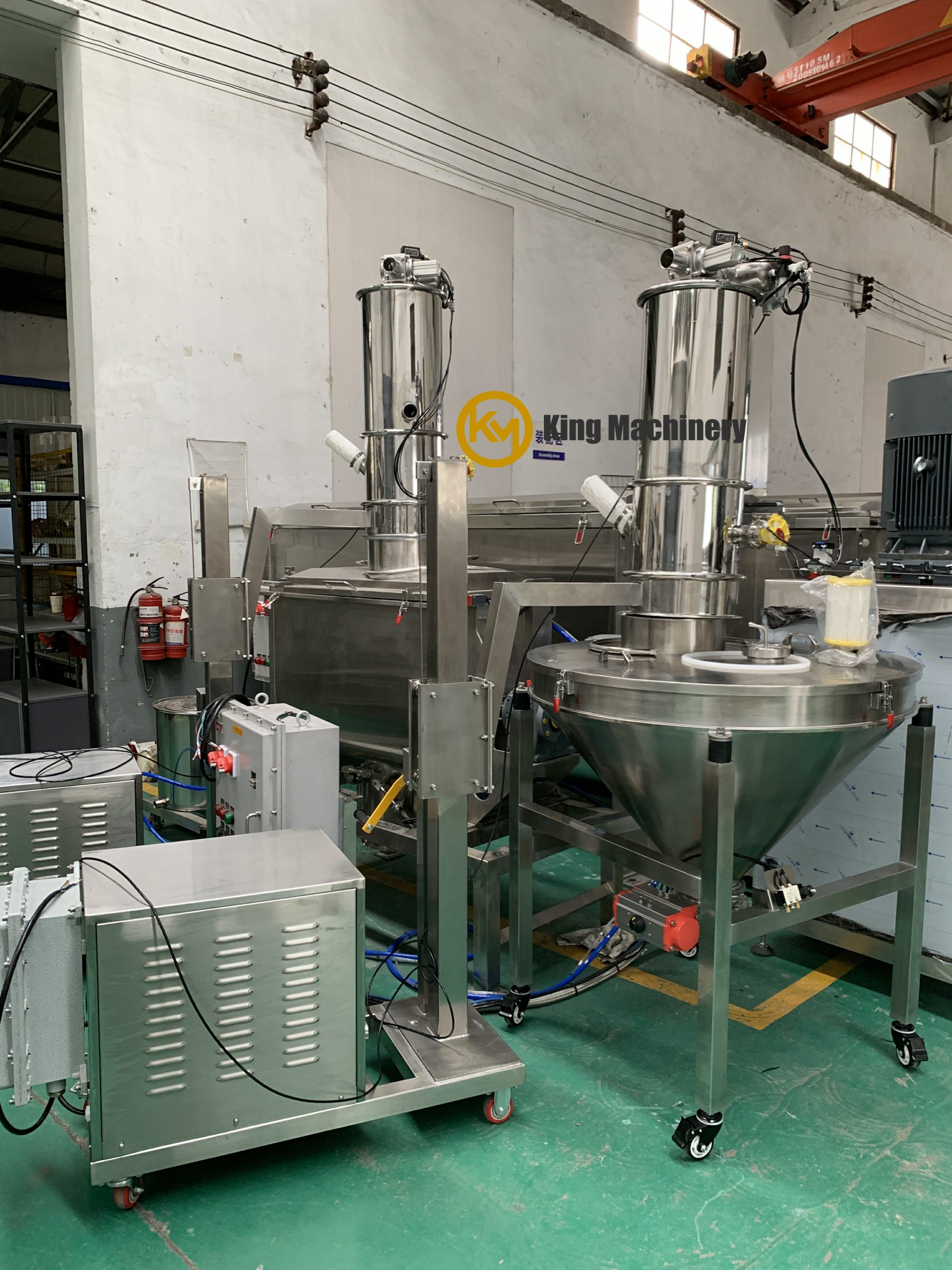
Filtration is another essential part of the design. As the powder enters the receiving hopper, the conveying air must be separated from the solid material. Filters prevent powder particles from passing into the vacuum source and help keep the surrounding environment clean. The filter type, filtration area, cleaning method, and maintenance accessibility should be selected according to the material being handled. Powders that produce large amounts of fine dust may require particular attention to filtration performance. The conveying distance and pipeline layout also affect system performance. Long pipelines, multiple bends, changes in elevation, and restrictive connections can increase resistance and influence the amount of material transferred per cycle. A system designed for a short transfer between adjacent machines may not perform equally well over a longer route. Considering the actual factory layout during the design stage helps avoid unnecessary conveying losses and operating difficulties.
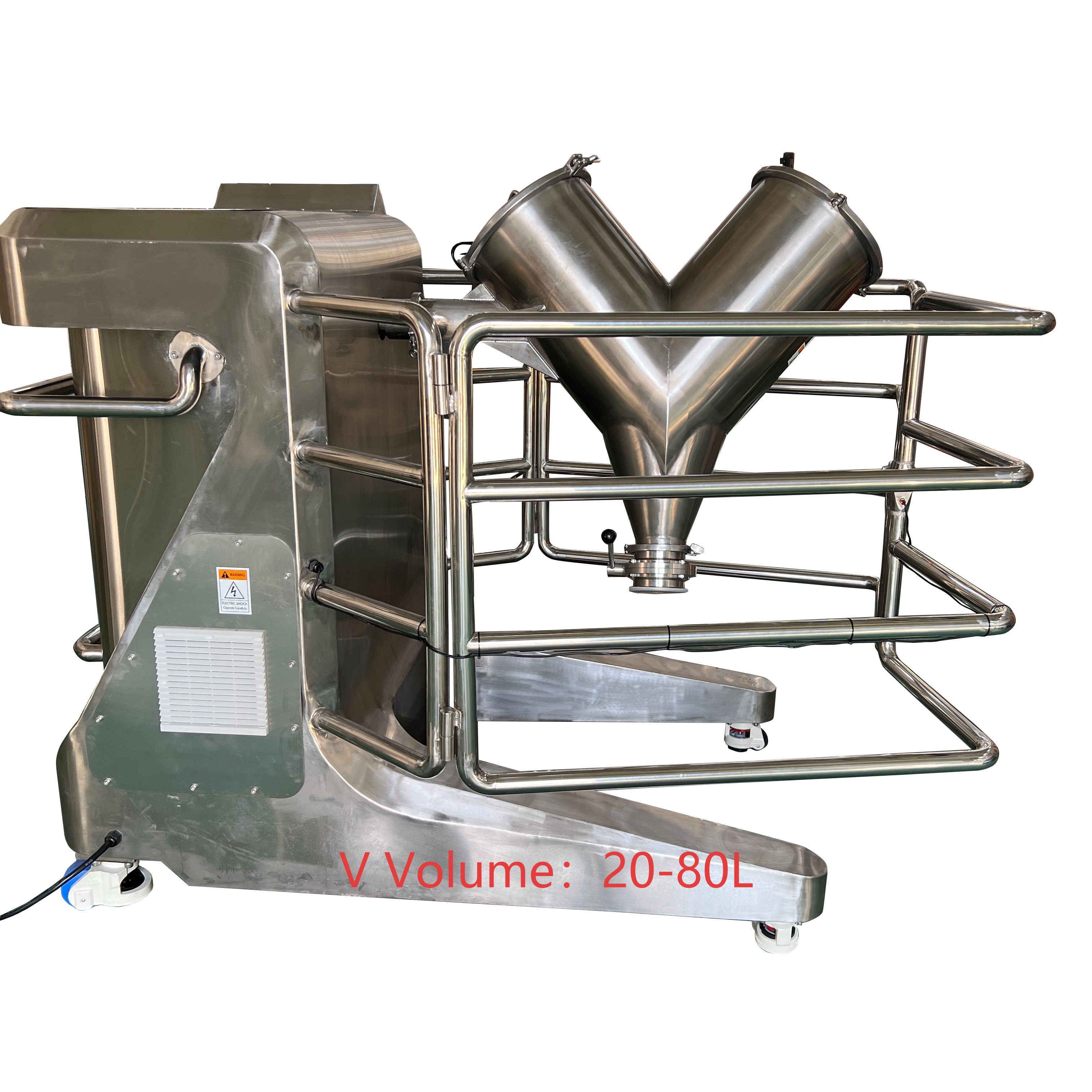
Material compatibility and cleaning requirements should also be considered, especially in food, pharmaceutical, cosmetic, and chemical production. Stainless steel contact parts may be appropriate for applications that require corrosion resistance and easy cleaning, while the exact grade and surface finish should depend on the material and process conditions. If a production line handles multiple powders, the system should also be evaluated for residual material, cross-contamination risks, and the time required for product changeovers. Vacuum powder feeders are particularly useful when connected with other production equipment. For example, a feeder can transfer raw materials into a ribbon mixer, paddle mixer, V-type mixer, or liquid-powder processing system. It may also supply powder to an auger filling machine or an automated batching line. Coordinating conveying capacity with the receiving equipment helps prevent interruptions caused by insufficient feeding or excessive material accumulation.
When selecting a vacuum powder feeder, manufacturers should provide information about the powder's physical properties, required conveying capacity, transfer distance, elevation difference, receiving equipment, and cleaning requirements. Dust characteristics and any special safety considerations should also be assessed. These details help determine the appropriate vacuum source, pipeline diameter, hopper design, filtration arrangement, and control method. For manufacturers seeking to improve powder transfer, a vacuum powder feeder offers more than a convenient way to move materials. It can reduce manual handling, support dust control, and connect different stages of production into a more efficient workflow. Changzhou Zhoucheng Stainless Steel Products Co., Ltd. provides powder handling and processing equipment for industrial applications. By matching vacuum feeding equipment to the actual powder characteristics and production layout, manufacturers can establish a more reliable material transfer process and improve coordination between mixing, batching, and packaging operations.