
How Storage Tank Design Changes for Different Liquid Materials
Storage tanks may look similar from the outside, but the requirements for storing different liquids can vary significantly. Water, acidic chemicals, viscous oils, solvents, and temperature-sensitive formulations each place different demands on tank construction. Choosing the right storage tank involves more than determining its capacity. Material compatibility, liquid properties, operating temperature, cleaning requirements, and discharge conditions all influence how the tank should be designed. One of the first considerations is the chemical composition of the liquid. Some materials are relatively non-corrosive, while others can attack metal surfaces or cause gradual deterioration under specific operating conditions. A tank intended for water storage may not be suitable for an acidic chemical or an aggressive industrial solution. Understanding the liquid's composition and concentration helps determine which construction material can provide appropriate corrosion resistance throughout the tank's service life.
Stainless steel is widely used in industrial storage applications because it offers a combination of strength, durability, and corrosion resistance. However, not every stainless steel grade performs equally well in every environment. SS316 may be suitable for many liquid-processing applications, while more demanding chemical conditions may require consideration of duplex stainless steel, titanium, or Hastelloy. The final choice should be based on the actual chemical environment rather than the material name alone. Viscosity is another factor that affects tank design. Low-viscosity liquids generally flow easily through pipes and outlets, while thick oils, syrups, resins, and concentrated formulations can be more difficult to transfer. These materials may require larger discharge connections, specially positioned outlets, or additional equipment to support reliable transfer. If the tank also includes an agitator, the viscosity can influence the required motor power and impeller configuration.
Some liquids contain suspended particles that gradually settle during storage. In these applications, the tank may need an agitator or another circulation arrangement to maintain a consistent mixture. The design depends on particle size, density, settling behavior, and the length of time the product must remain uniform. A tank intended for a stable, particle-free liquid may not provide adequate performance when used for a suspension without suitable modifications. Temperature requirements can change the construction of a storage tank as well. Certain liquids must be kept within a specific temperature range to maintain their properties or remain easy to transfer. Depending on the application, insulation, heating jackets, cooling jackets, or temperature monitoring devices may be necessary. The tank must also account for temperature-related expansion and contraction, as well as the effects of heating or cooling on the stored material.
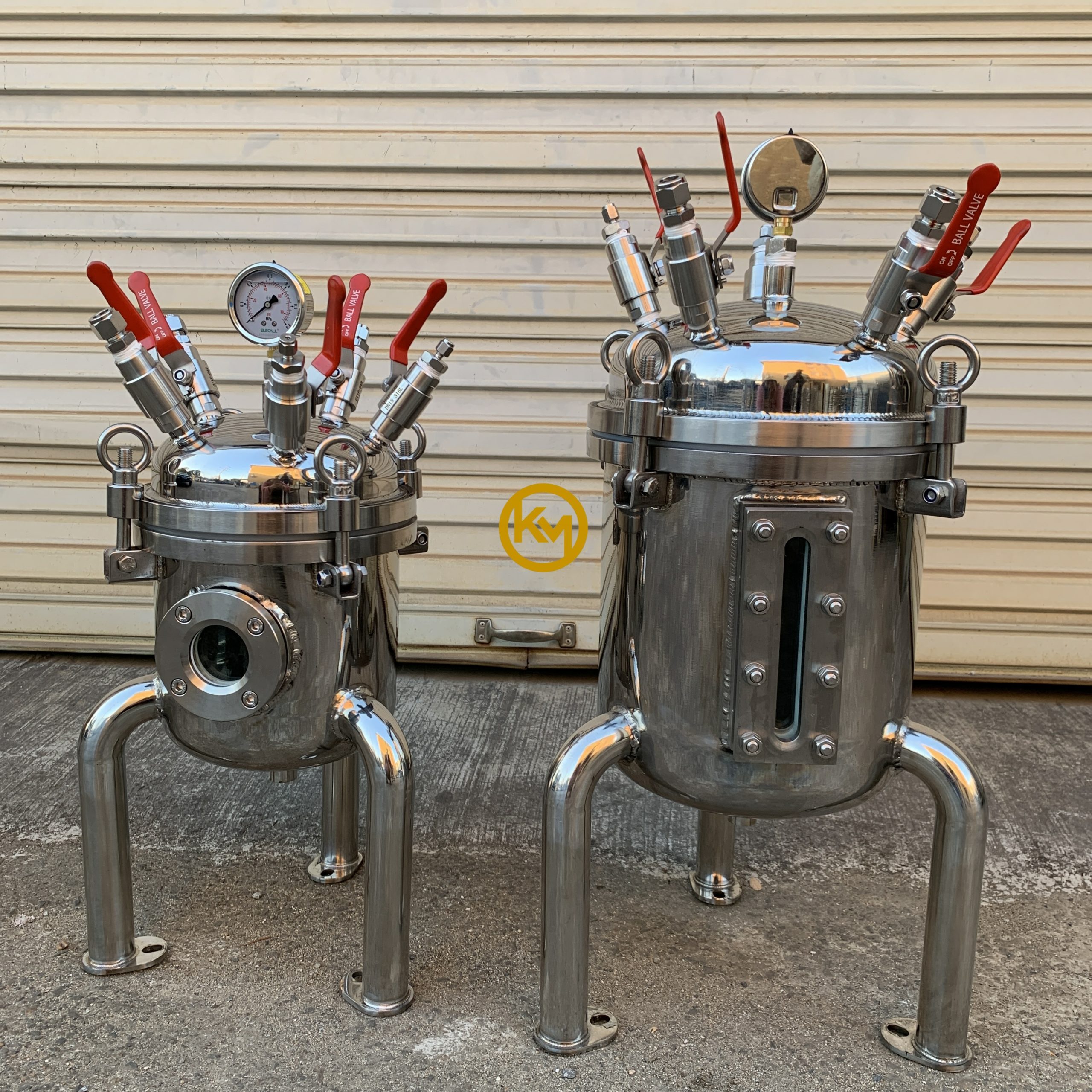
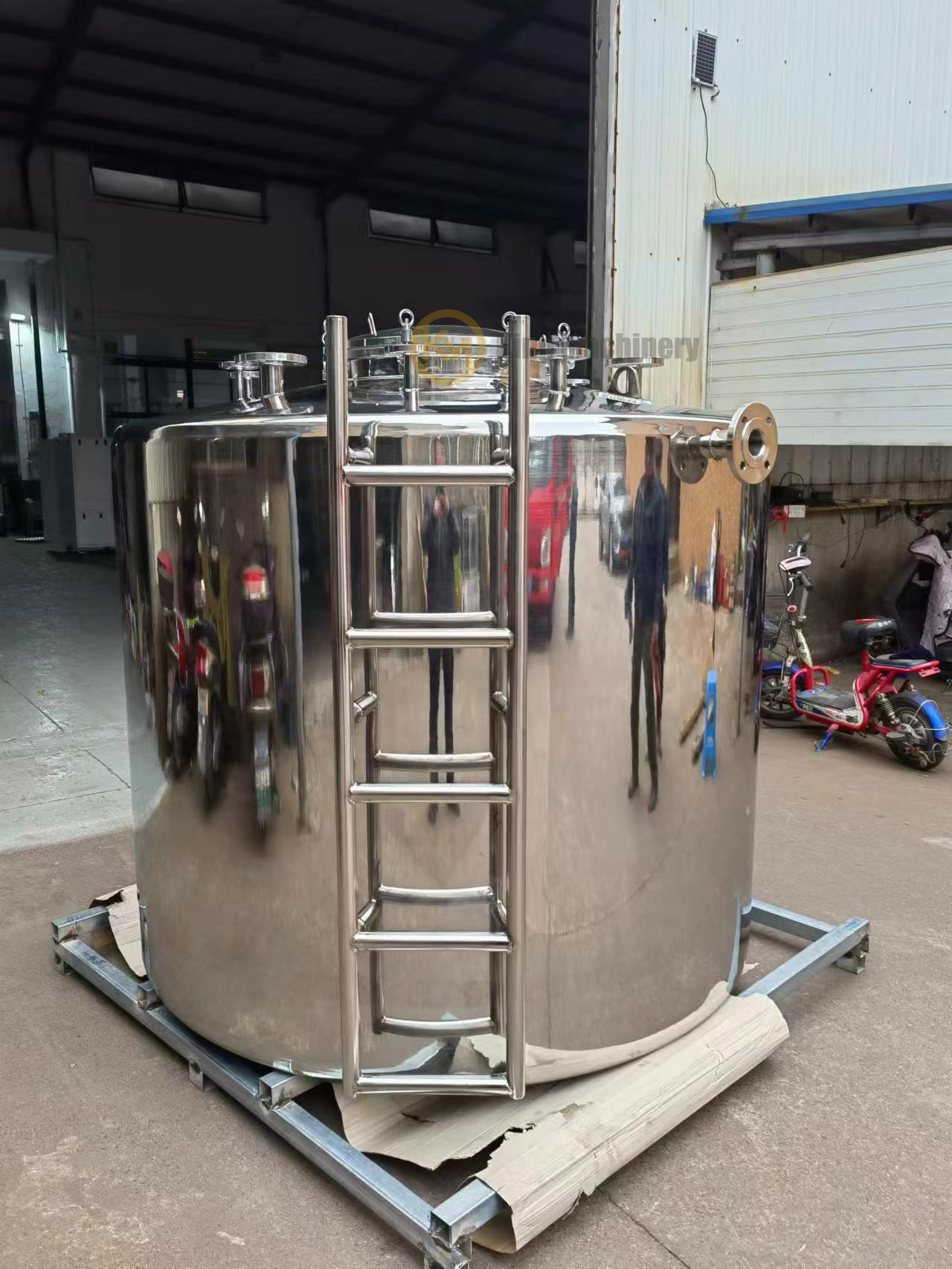
For liquids that are sensitive to contamination, internal surface quality becomes particularly important. Food ingredients, pharmaceutical materials, cosmetics, and high-purity chemical products may require smooth, accessible surfaces that support effective cleaning. Weld quality, internal corners, nozzle arrangements, and drainage geometry can all affect whether product residues remain inside the vessel. A well-planned design helps reduce material buildup and makes cleaning between production batches more practical. Tank geometry also influences how different liquids are stored and discharged. A vertical cylindrical tank may suit many bulk storage applications, while a vessel with a sloped or specially shaped bottom may be more appropriate when complete drainage is important. The position of the outlet, the height of the tank, and the connection to downstream piping should be considered together. These details become especially relevant when handling viscous products or materials that leave deposits on internal surfaces.
Volatile liquids and processes involving pressure or vacuum require additional engineering attention. Solvents and other volatile materials may need appropriate venting, vapor control, and compatible sealing arrangements. If the process requires pressure or vacuum operation, the vessel must be specifically designed for the expected conditions. A conventional atmospheric storage tank should never be assumed suitable for pressurized or vacuum service without verifying its design limits. Cleaning and product changeover requirements can also influence the tank's configuration. Facilities that store only one material may prioritize long-term durability and straightforward maintenance. Manufacturers handling multiple formulations may need accessible manways, effective drainage, suitable cleaning connections, and internal surfaces that reduce residue retention. These features can shorten cleaning procedures and help minimize the risk of cross-contamination between batches.
The supporting equipment should match the stored liquid, too. Depending on the application, a tank may require level indicators, temperature sensors, sampling ports, sight glasses, specialized valves, or compatible transfer pumps. These components should be selected according to the liquid's properties and the operating environment. Their positions also need to support routine inspection, maintenance, and safe operation without creating unnecessary difficulties for operators. For custom storage tank projects, providing accurate process information before fabrication can prevent costly design changes. Manufacturers should understand the liquid's chemical composition, viscosity, operating temperature, storage duration, required capacity, cleaning method, and transfer requirements. Changzhou Zhoucheng Stainless Steel Products Co., Ltd. provides custom stainless steel tank solutions using materials such as SS316, duplex stainless steel, titanium, and Hastelloy, depending on application needs. Matching tank construction to the actual liquid and operating conditions helps create equipment that supports reliable storage, easier maintenance, and more consistent production.