
What Makes a Pressure or Vacuum Tank Different from a Standard Storage Tank
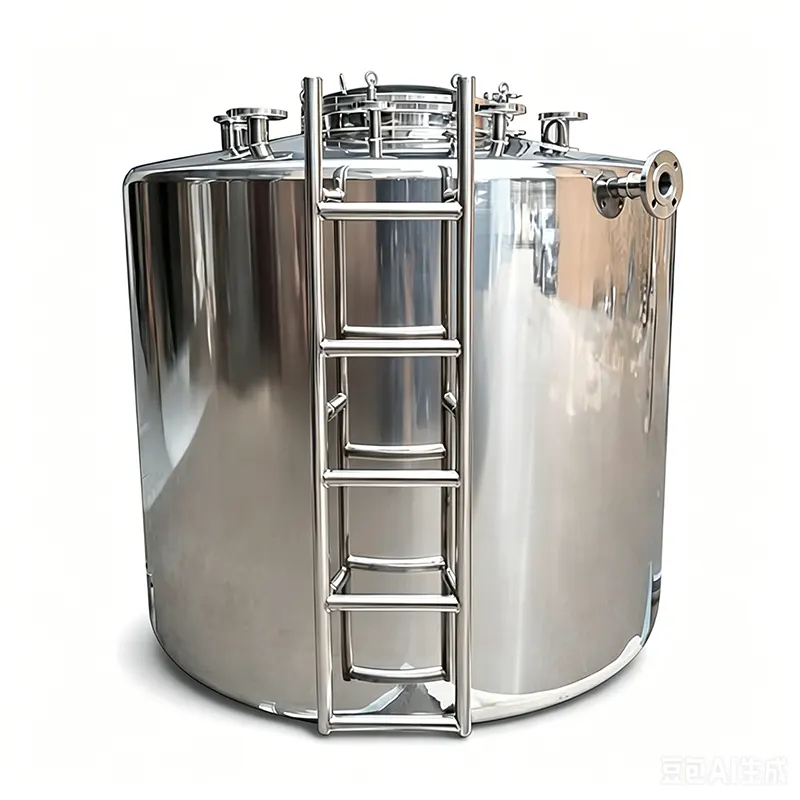
A stainless steel storage tank may appear relatively simple from the outside, but its design can change considerably when the process requires pressure or vacuum. A standard storage tank is generally intended to hold material under conditions close to atmospheric pressure, while a pressure or vacuum tank must be engineered to withstand forces created by differences between the internal and external pressure. This difference affects the vessel structure, fittings, connections, material thickness, and overall manufacturing requirements. A standard storage tank is commonly used when the main purpose is to keep liquids or other materials contained before they move to another stage of production. The tank may include an inlet, outlet, manhole, level indicator, vent, and other basic fittings. Since the internal pressure is relatively close to atmospheric pressure, the structural requirements can be less demanding than those of a vessel designed for significant pressure or vacuum conditions.
Pressure tanks operate under a different set of requirements. When pressure builds inside the vessel, it creates forces against the tank walls, ends, fittings, and connections. The vessel therefore needs sufficient structural strength to maintain its shape and safely contain the process material. The required design depends on factors such as operating pressure, temperature, tank dimensions, material properties, and the specific process. Vacuum conditions create a different but equally important engineering challenge. When pressure inside a tank falls below atmospheric pressure, the surrounding atmosphere pushes inward on the vessel. A tank that is suitable for ordinary storage is not automatically suitable for vacuum operation. If the vessel has not been designed for the expected vacuum level, its walls may deform or buckle under external pressure.
Tank geometry therefore becomes particularly important. Diameter, shell thickness, head design, reinforcement, and support structure can all influence how a vessel responds to internal or external pressure. For custom pressure and vacuum tanks, these factors need to be considered together rather than treating the tank simply as a larger version of a standard storage vessel. The material used for construction is another consideration. Stainless steel is widely used in processing equipment because it can provide corrosion resistance and a suitable surface for many industrial applications. However, the appropriate grade depends on the product, temperature, cleaning conditions, and chemical environment. Materials such as SS316, duplex stainless steel, titanium, or Hastelloy may be considered when the process presents more demanding corrosion or compatibility requirements.
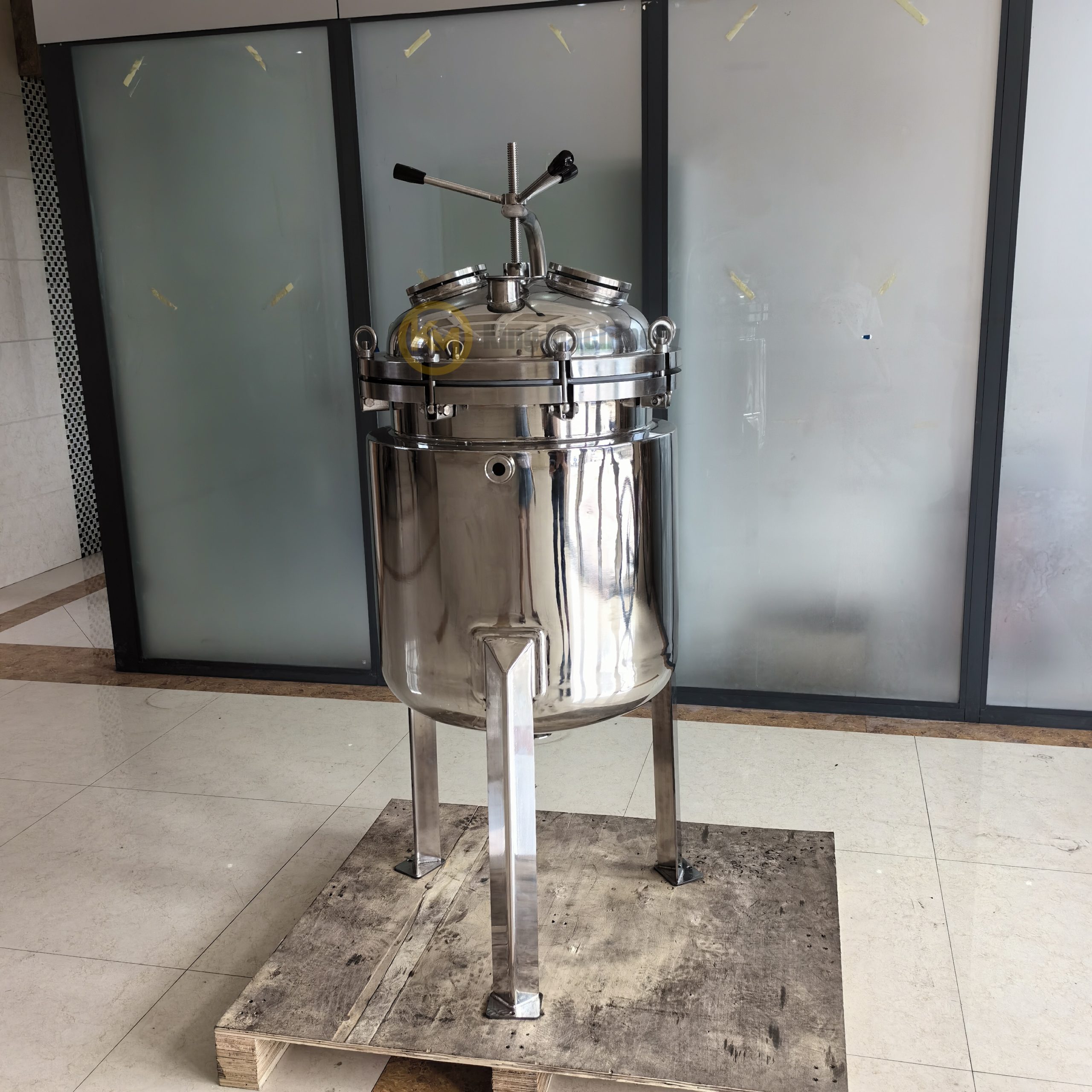
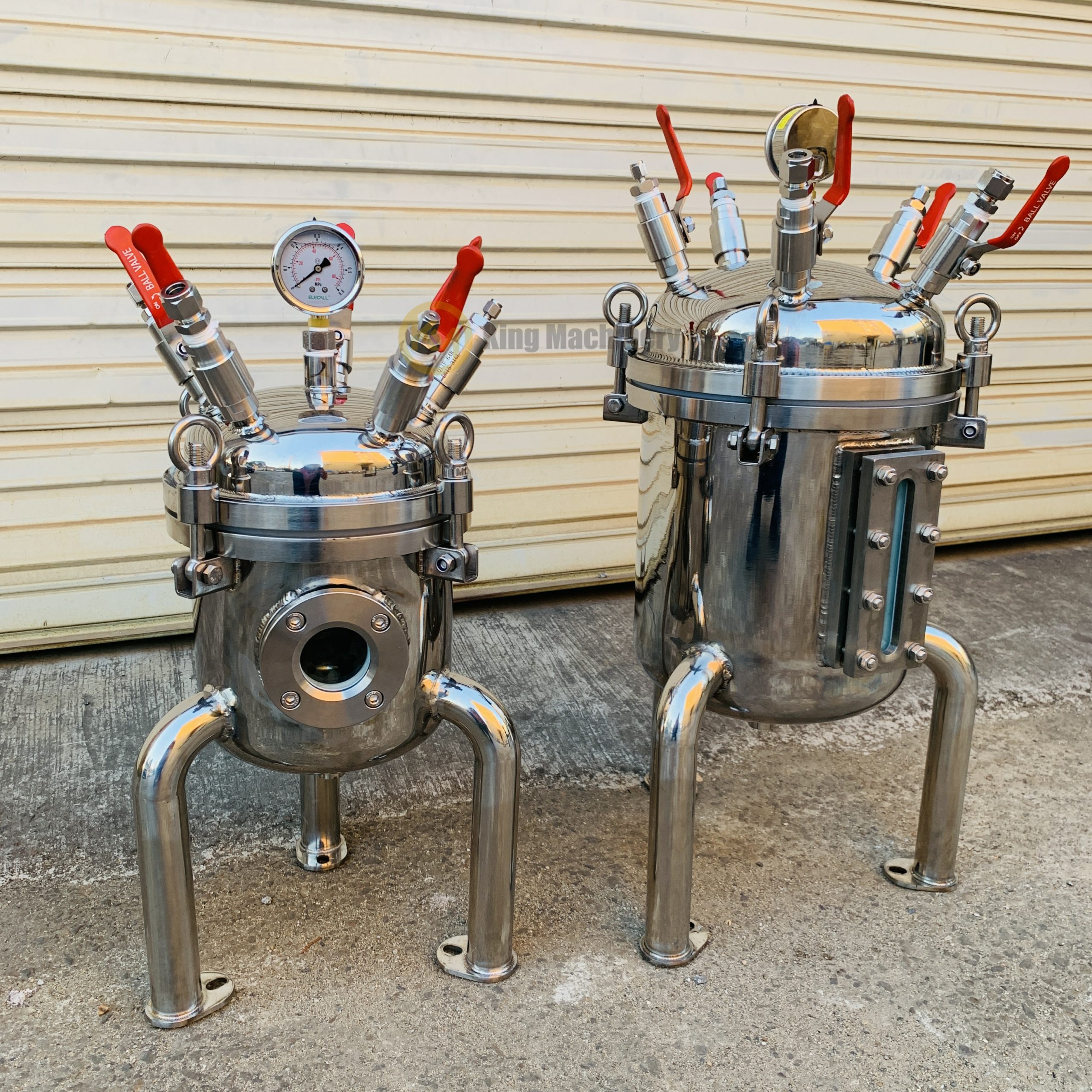
Connections and fittings also require greater attention on pressure or vacuum vessels. Nozzles, valves, sight glasses, manways, ports, and instrument connections all become part of the pressure boundary or can influence its integrity. Their location and construction should therefore be coordinated with the vessel design instead of being treated as simple accessories added after fabrication. A pressure or vacuum tank may also require specialized safety and control components. Depending on the process, pressure monitoring, vacuum measurement, relief devices, venting arrangements, and other controls may be incorporated into the system. These components help operators monitor the actual operating condition and manage changes in pressure during filling, processing, cleaning, or discharge.
The operating temperature should also be considered. Temperature changes can affect both the process material and the pressure conditions inside the vessel. Heating, cooling, sterilization, or other thermal processes may create expansion, contraction, or pressure changes that a standard storage tank was never intended to accommodate. For this reason, pressure, vacuum, and temperature requirements are often considered together during vessel design. Another major difference is the manufacturing process itself. A pressure or vacuum vessel requires careful control of fabrication, welding, dimensions, and inspection. Welded areas are particularly important because they form part of the vessel structure. Depending on the application and applicable requirements, manufacturers may need to consider weld quality, surface treatment, testing, and inspection procedures appropriate to the intended service.
The distinction also matters when choosing between different tank types for a production system. A storage tank may be sufficient for holding raw materials or finished liquids under normal atmospheric conditions. A process tank may need additional features for mixing, heating, cooling, or controlled transfer. A pressure or vacuum tank, meanwhile, is selected when the process itself requires controlled pressure conditions or when the vessel must withstand vacuum during operation. For companies ordering custom equipment, providing accurate process information at the beginning can prevent major design changes later. The manufacturer may need details such as working volume, operating pressure, vacuum level, operating temperature, product characteristics, cleaning method, material requirements, and connection specifications. These parameters help determine the appropriate vessel construction rather than relying on a standard tank configuration.
For demanding applications, custom fabrication allows the tank to be designed around the actual production process. Changzhou Zhoucheng Stainless Steel Products Co., Ltd. works with stainless steel process equipment and custom tanks, including vessels made from materials such as SS316, duplex stainless steel, titanium, and Hastelloy. Matching the vessel construction to the pressure, vacuum, material, and operating requirements helps create equipment that is better suited to the real conditions of production.