
The Benefits of Custom Agitator Design for Specialized Powders
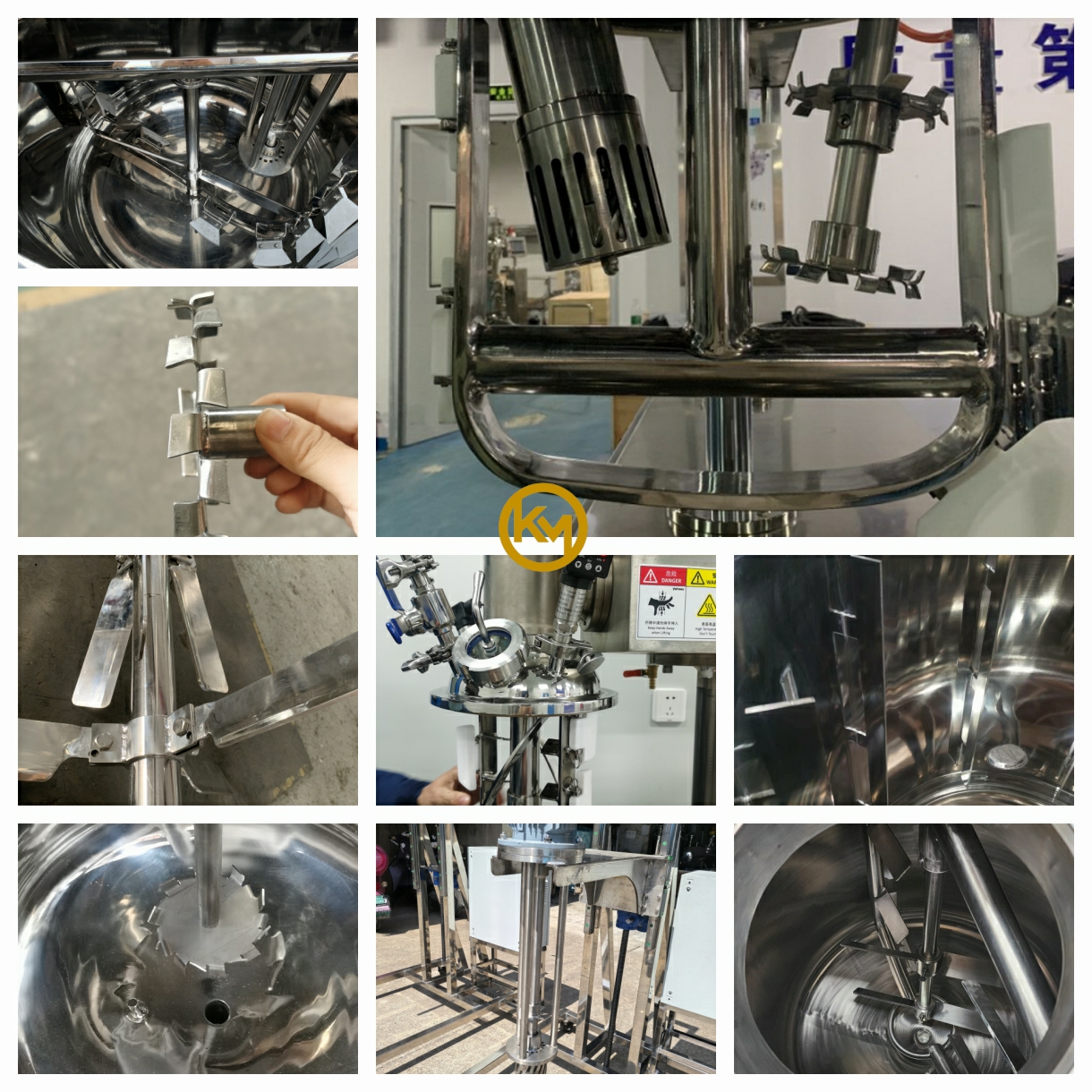
Mixing specialized powders is rarely as simple as selecting a standard mixer from a product catalog. Materials used in pharmaceuticals, chemicals, food processing, cosmetics, battery production, and advanced manufacturing can have unusual flow characteristics, particle sizes, densities, or sensitivity to mechanical force. When conventional mixing equipment cannot provide the required performance, a custom agitator design can offer a more practical solution by adapting the mixing mechanism to the actual behavior of the material. One of the main advantages of custom agitator design is the ability to respond to specific powder characteristics. Fine powders may become airborne or form agglomerates, while coarse materials may require stronger mechanical movement to achieve uniform distribution. Powders with poor flowability can also create stagnant areas inside the vessel. A customized agitator can be designed to generate the appropriate circulation pattern and provide more effective movement throughout the mixing chamber.
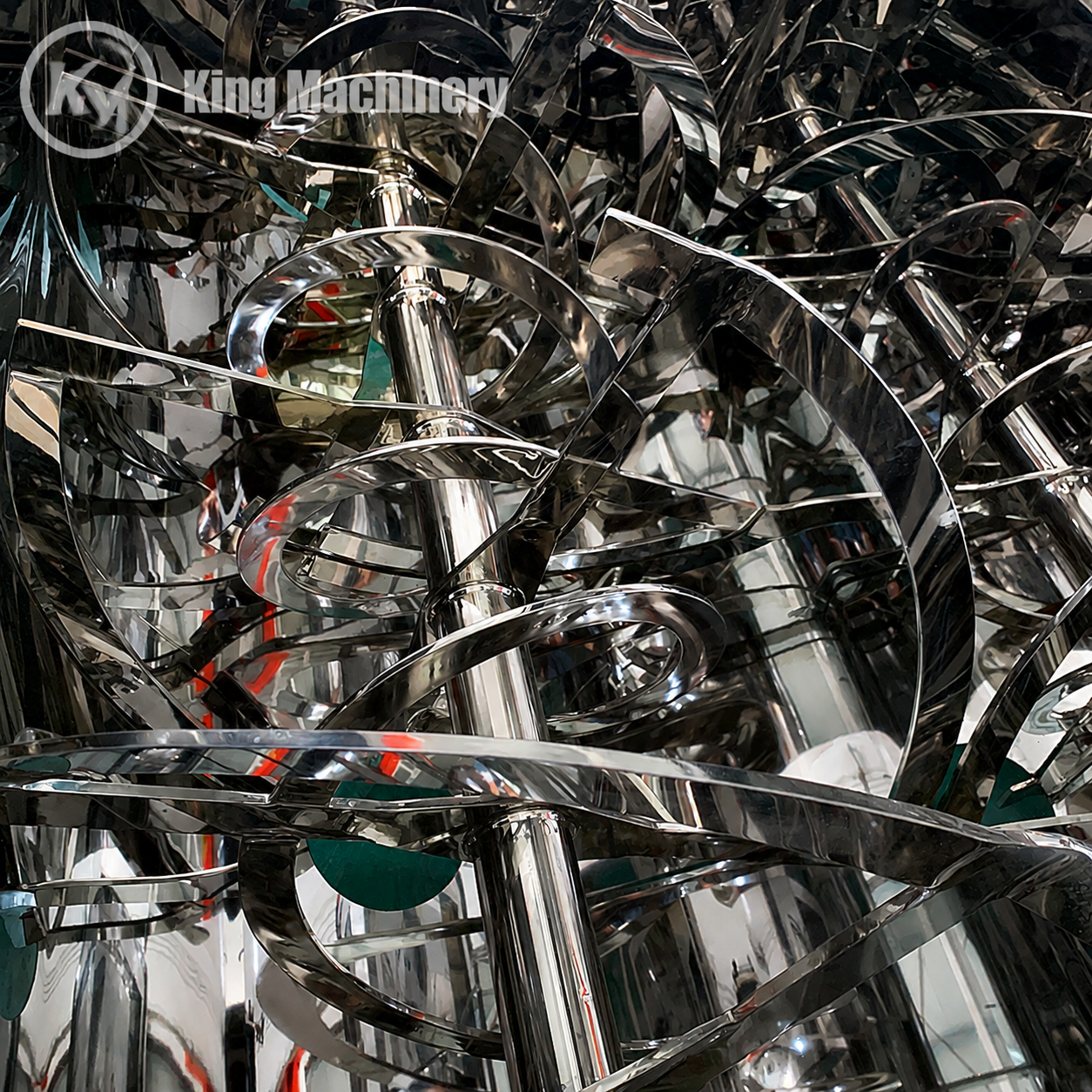
Particle density is another important consideration. When ingredients have substantially different bulk densities, heavier particles can settle while lighter particles remain suspended. This can result in segregation and inconsistent product composition. Instead of simply increasing mixing speed, a custom agitator can be configured to create stronger or more controlled circulation in areas where material movement is most difficult. Specialized powders may also require different levels of mixing intensity. Some products need strong mechanical action to break up lumps and distribute ingredients, while fragile granules or coated particles can be damaged by excessive shear. Custom agitator geometry allows manufacturers to balance mixing intensity with product protection, helping achieve the required uniformity without unnecessarily changing the physical characteristics of the material.
The moisture content of a powder can further influence agitator requirements. Materials with higher moisture levels may become sticky and adhere to internal surfaces, while dry fine powders can generate significant dust. A customized agitator can work together with an appropriately designed mixing chamber to improve material movement, reduce buildup, and support more efficient discharge after the mixing cycle. Custom design can also improve the handling of powders that contain abrasive or chemically aggressive components. Continuous contact with abrasive particles can wear mixing blades, shafts, and vessel surfaces, while corrosive materials may require specialized construction materials. Depending on the application, equipment can be fabricated using SS316L, duplex SS2507, titanium, Hastelloy, or other suitable materials to improve durability and corrosion resistance.
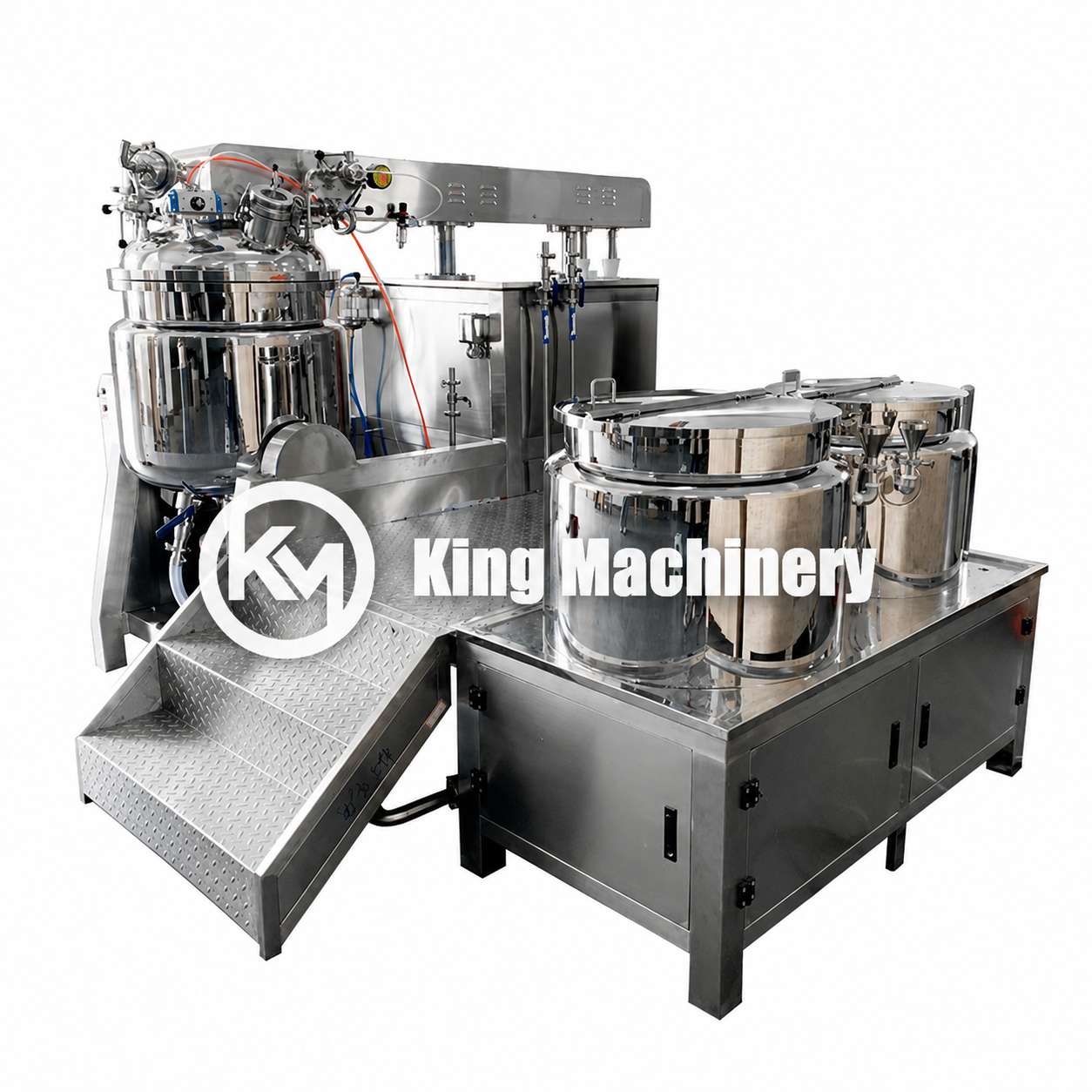
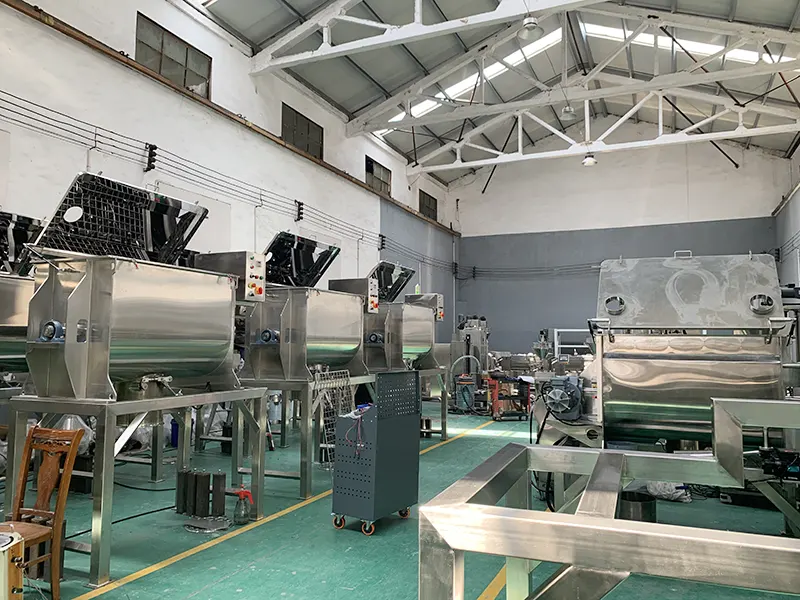
The geometry of the mixing vessel should also be considered when designing the agitator. Tank diameter, working volume, height-to-diameter ratio, discharge position, and internal components all influence particle movement. A custom agitator can be sized and positioned according to the actual vessel configuration, helping reduce dead zones and ensuring that mixing energy reaches more of the material inside the tank. Another benefit is the ability to integrate the agitator with other processing equipment. Specialized powder production may involve feeding, mixing, storage, filling, and packaging stages. A customized agitator system can be designed around the upstream feeder and downstream discharge or filling equipment, creating a smoother material flow and reducing manual handling throughout the production process.
Custom agitator development can also support changes in production requirements. A manufacturer may begin with relatively small batches but later require higher capacity or increased automation. Designing the mixing system with future production conditions in mind can make expansion easier. Features such as variable-speed drives, customized discharge systems, multiple agitation levels, and automated controls can be incorporated according to process requirements. Mixing trials are particularly valuable when working with unfamiliar or difficult powders. Laboratory or pilot-scale testing can reveal how a material responds to different agitator configurations, speeds, and mixing times. The resulting data gives engineers a stronger basis for selecting the final design and reduces the risk of discovering performance problems only after a full-scale machine has been manufactured.
For manufacturers handling specialized powders, the goal should not simply be to purchase the most powerful mixer available. The better approach is to match agitator design to the material, process, and production environment. A well-designed custom system can improve blend uniformity, reduce material loss, minimize equipment wear, and provide more predictable operation over the equipment's service life. Changzhou Zhoucheng Stainless Steel Products Co., Ltd. provides customized mixing and stainless steel processing equipment based on specific material and production requirements. With capabilities covering powder mixing, feeding, filling, tanks, and agitator systems, the company can develop equipment around challenging materials and individual process conditions. This material-focused approach allows specialized powder manufacturers to achieve more reliable mixing performance without being limited by the configuration of standard equipment.